

What Is a New Build Property?
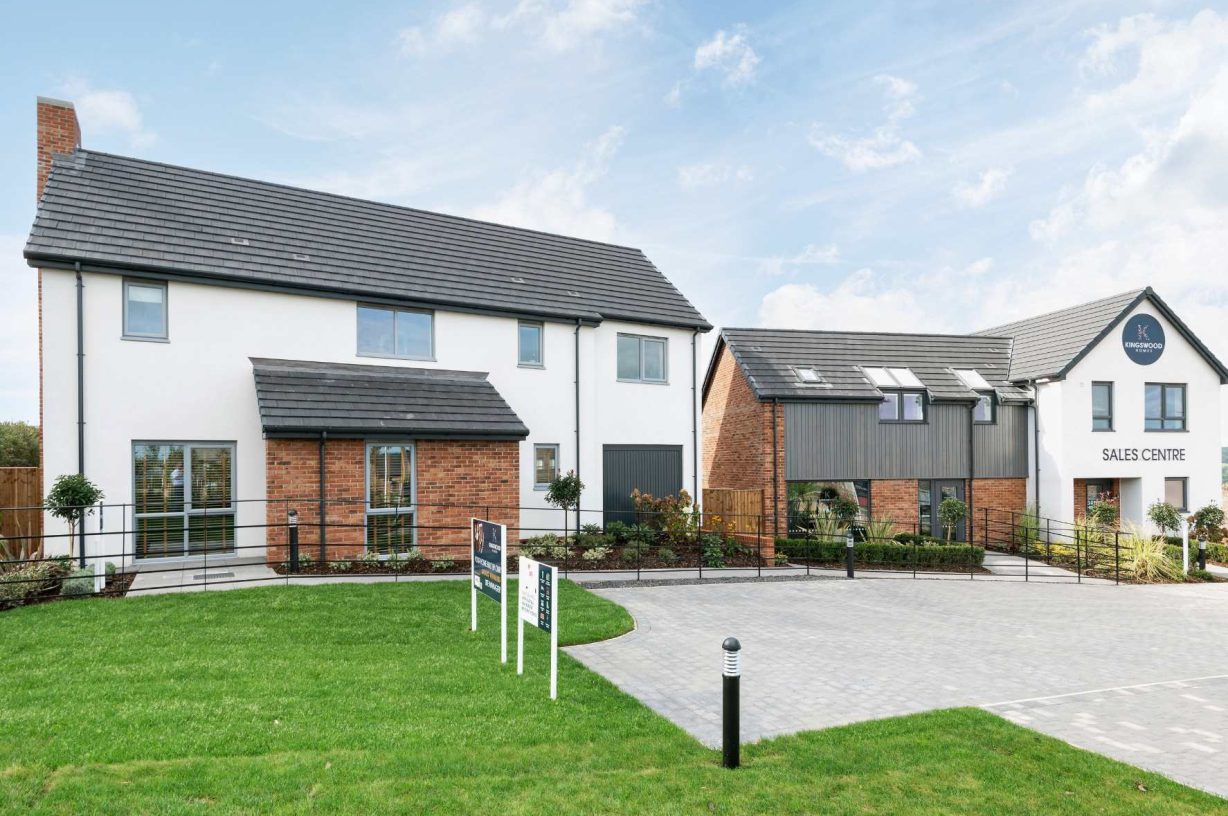
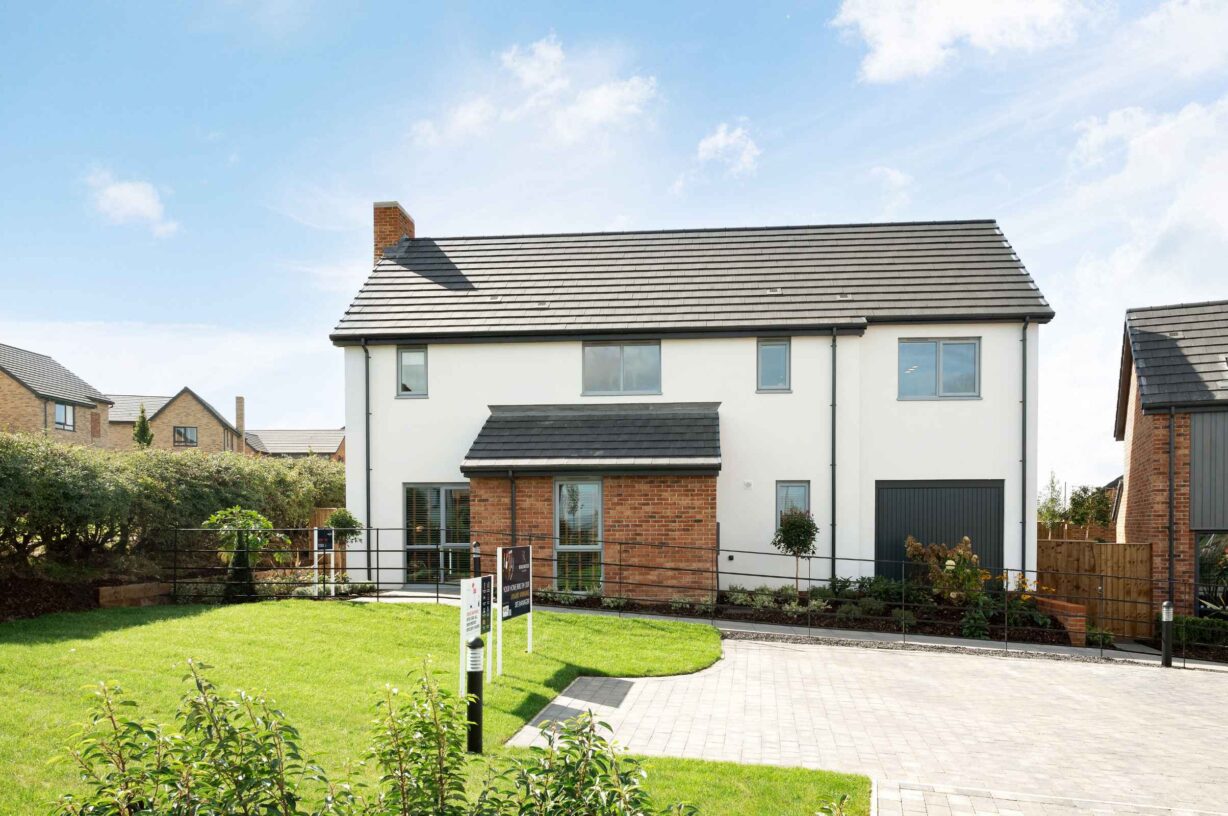
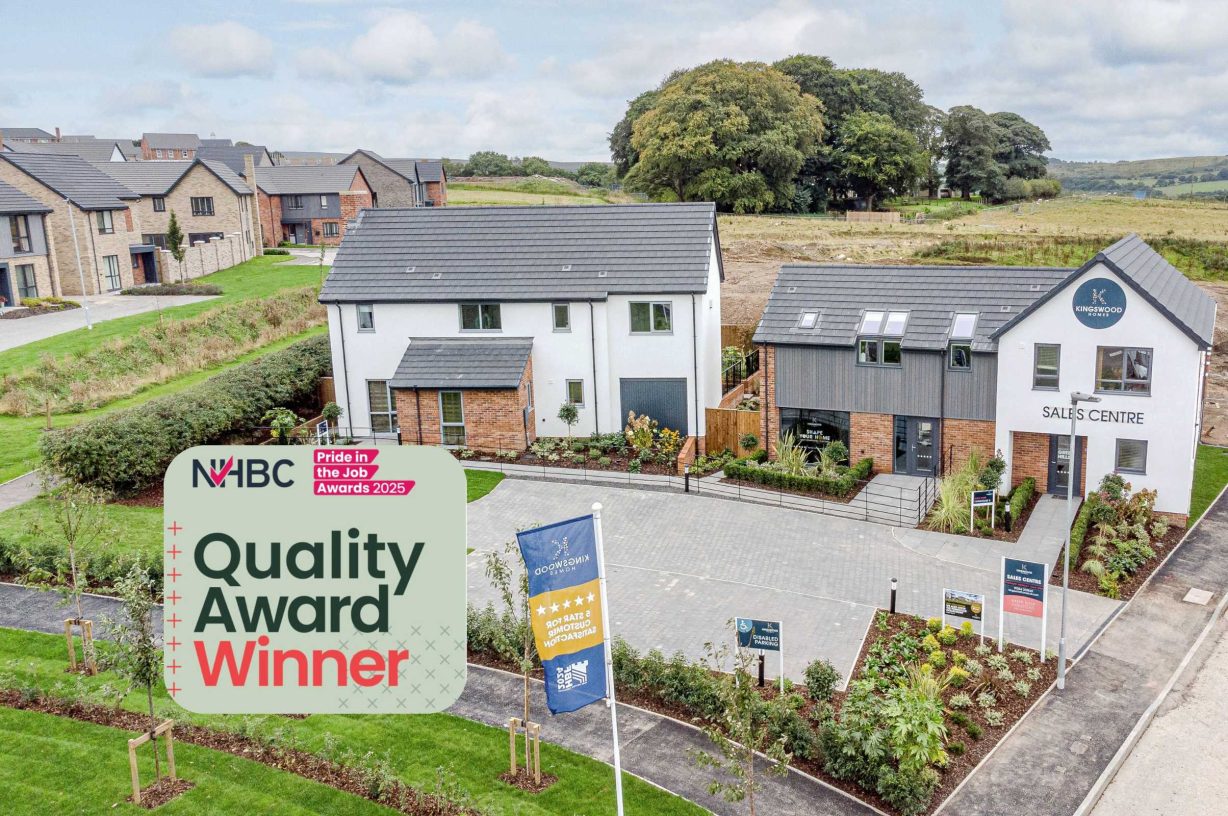
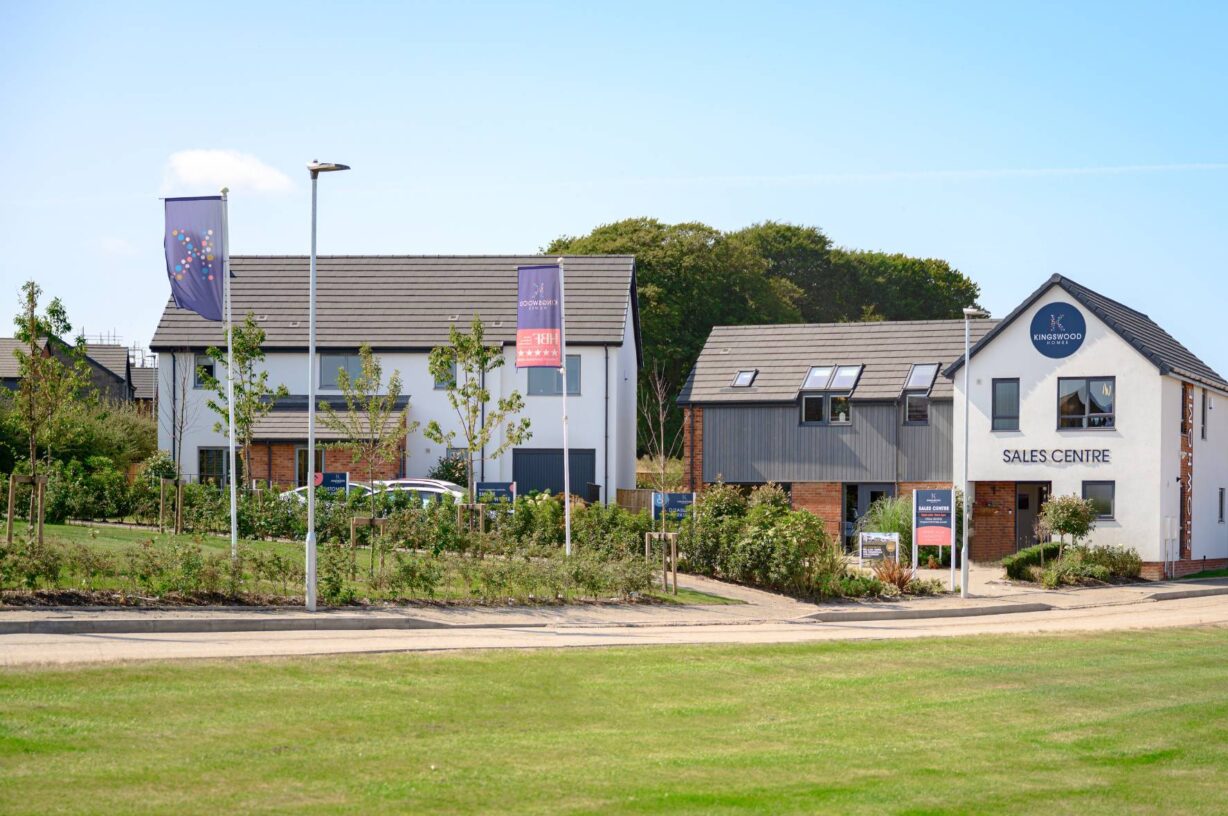
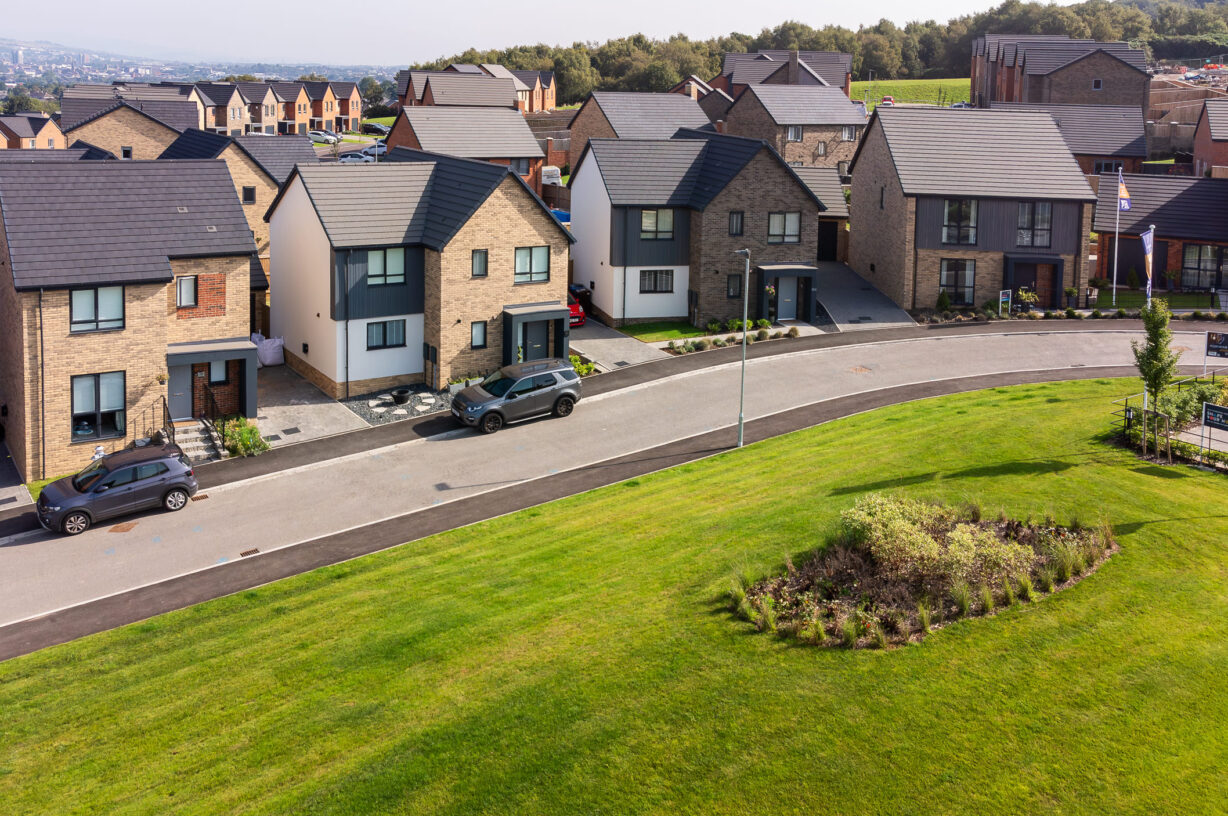
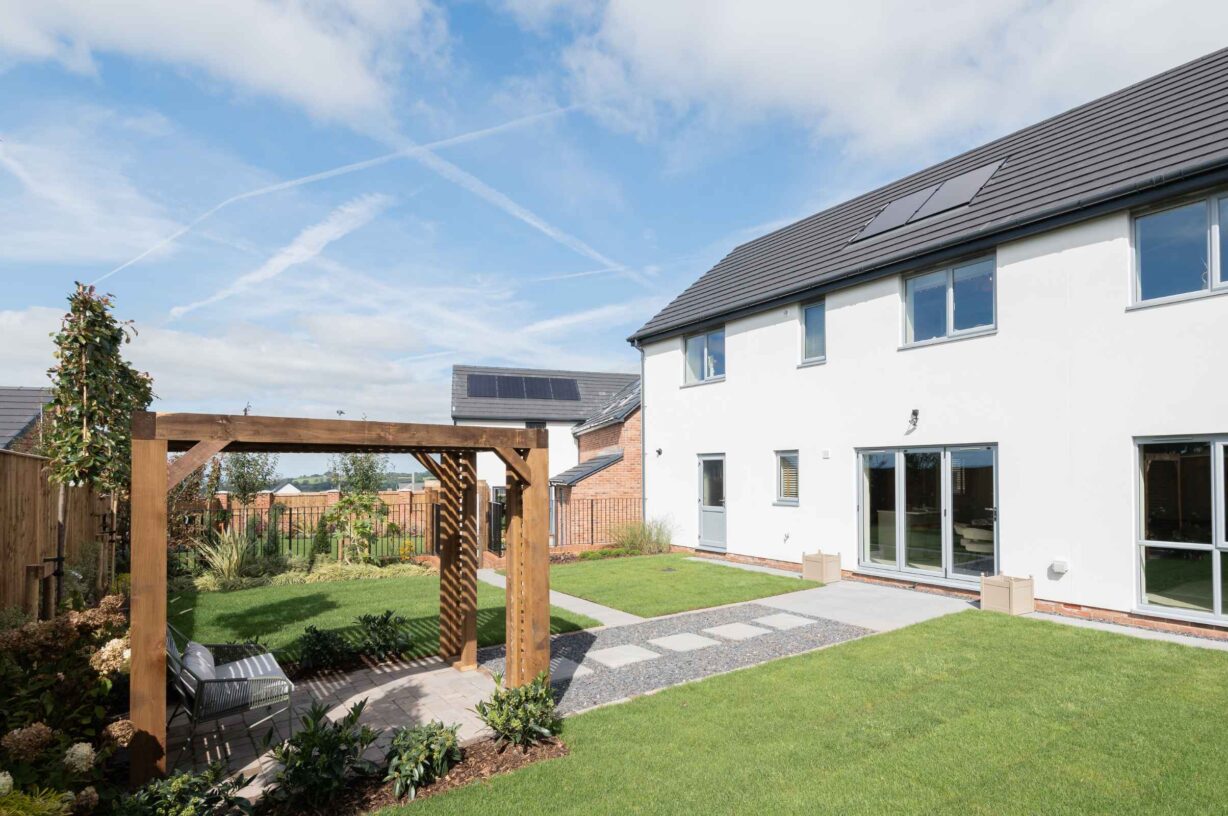
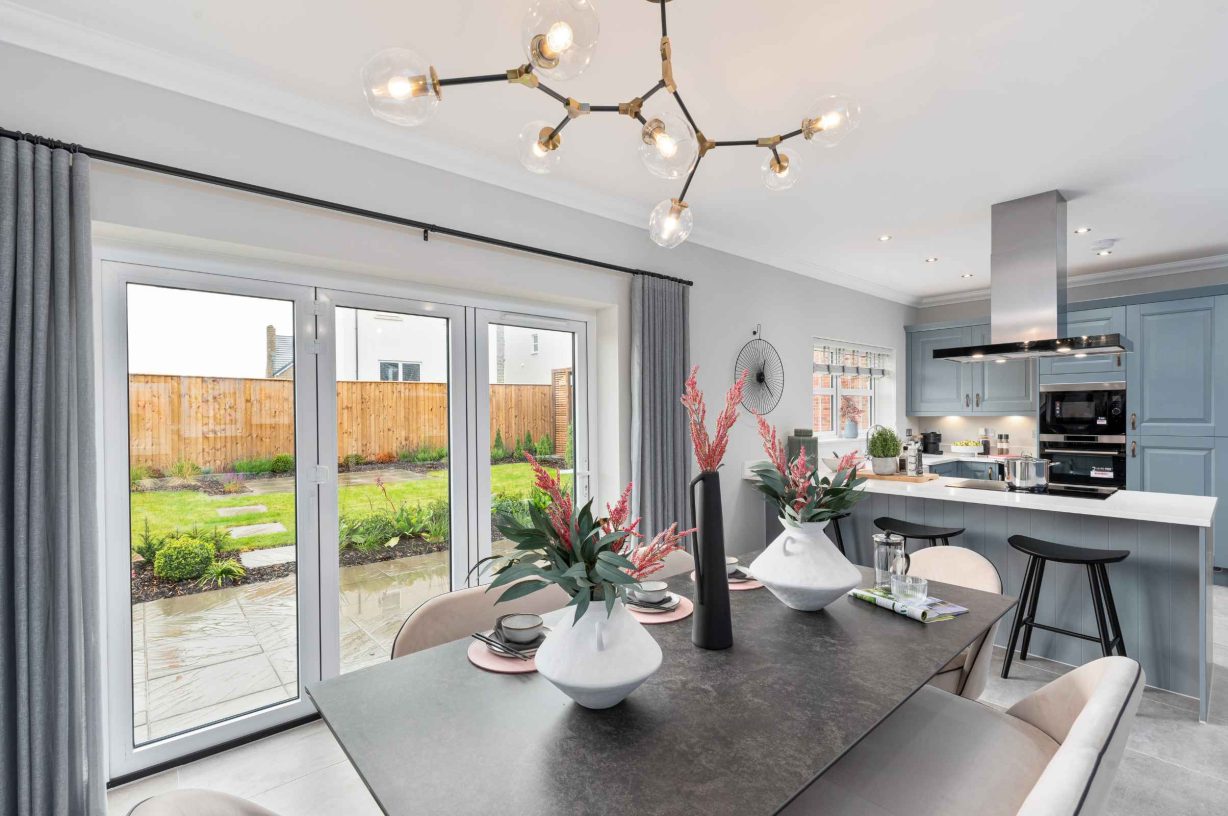
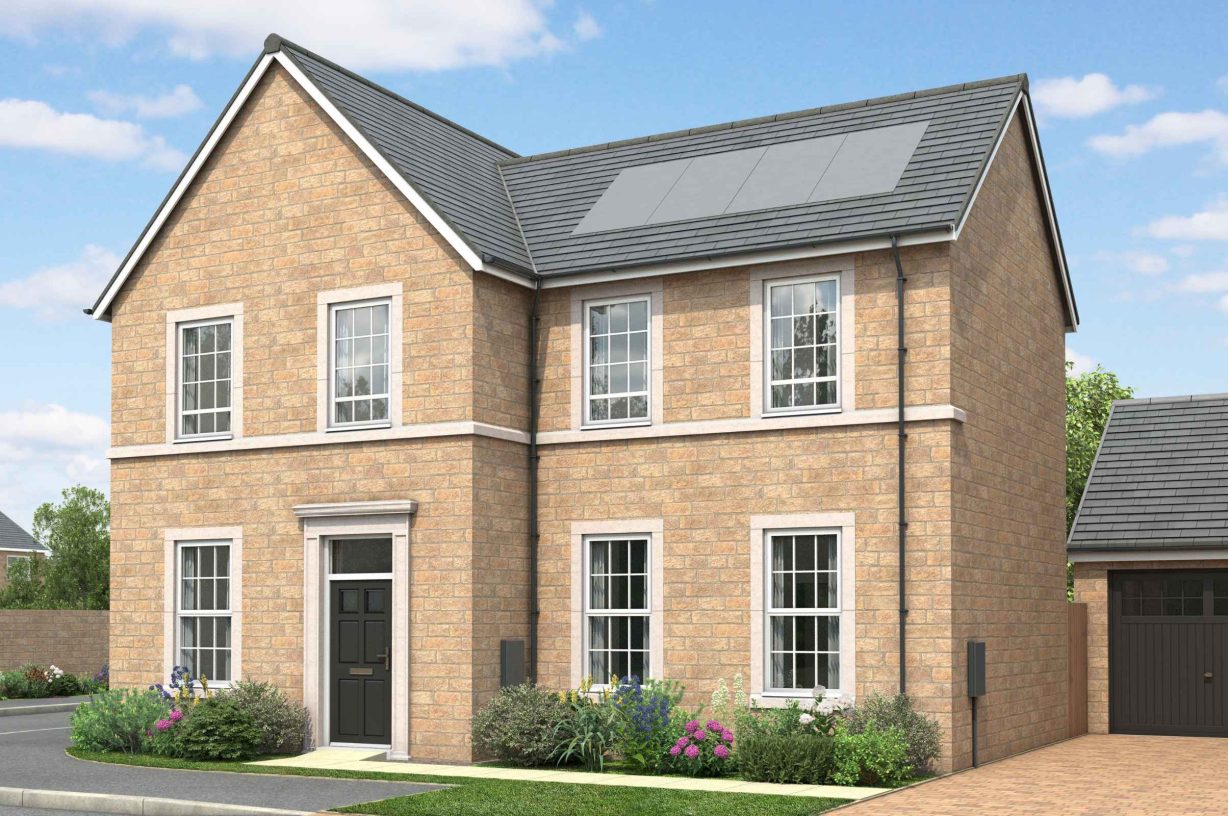
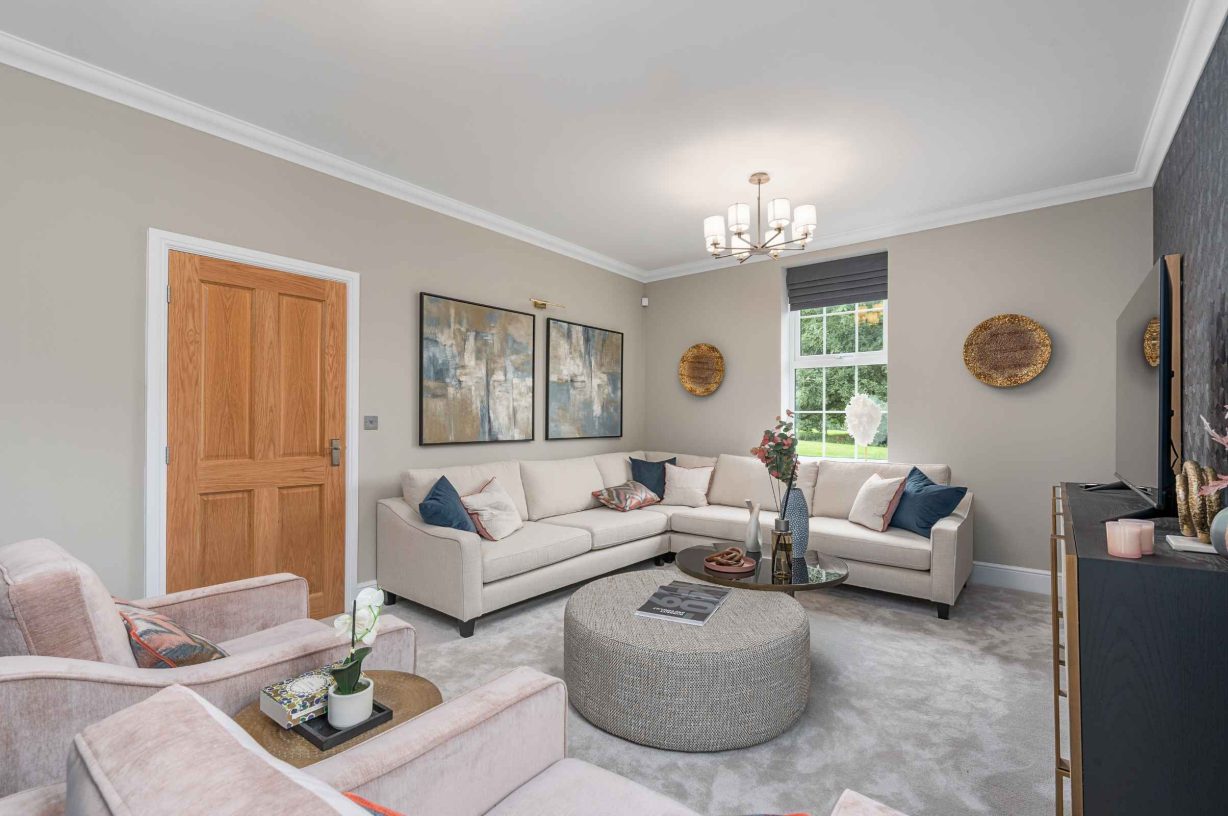
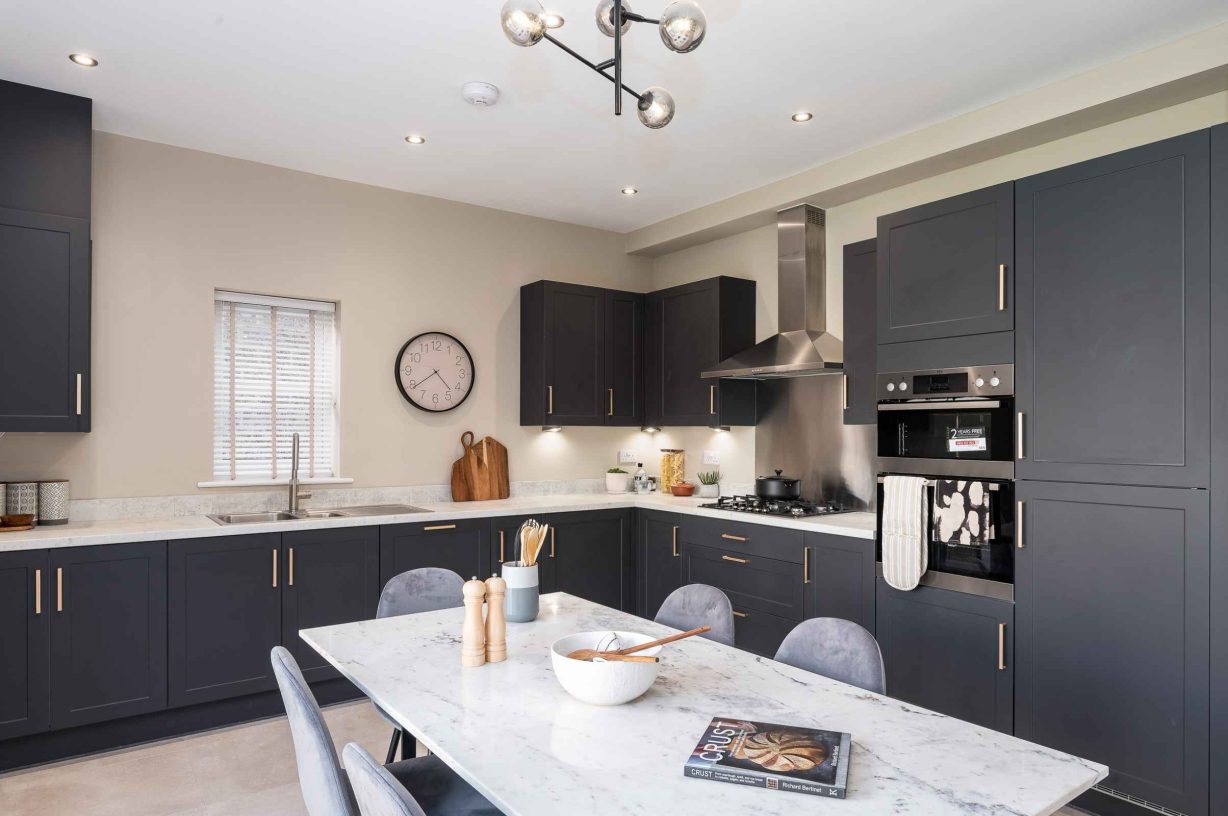
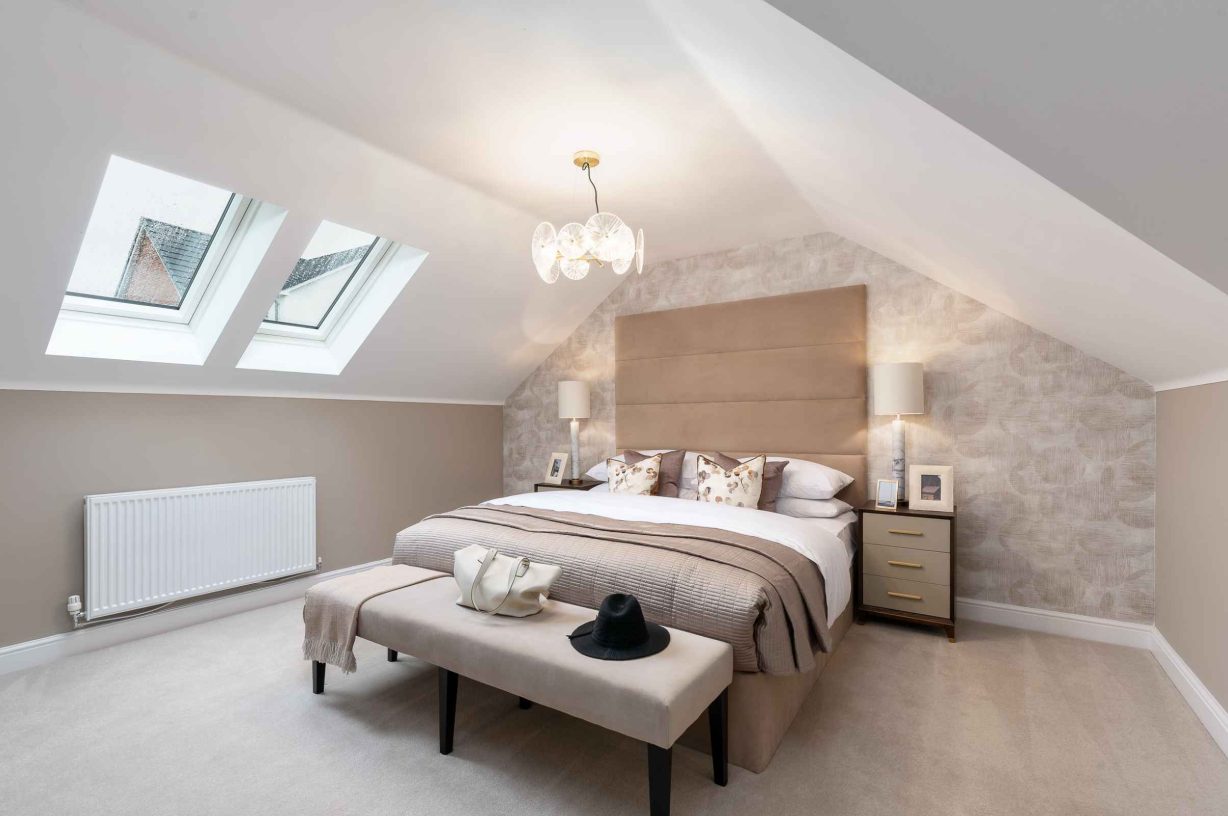
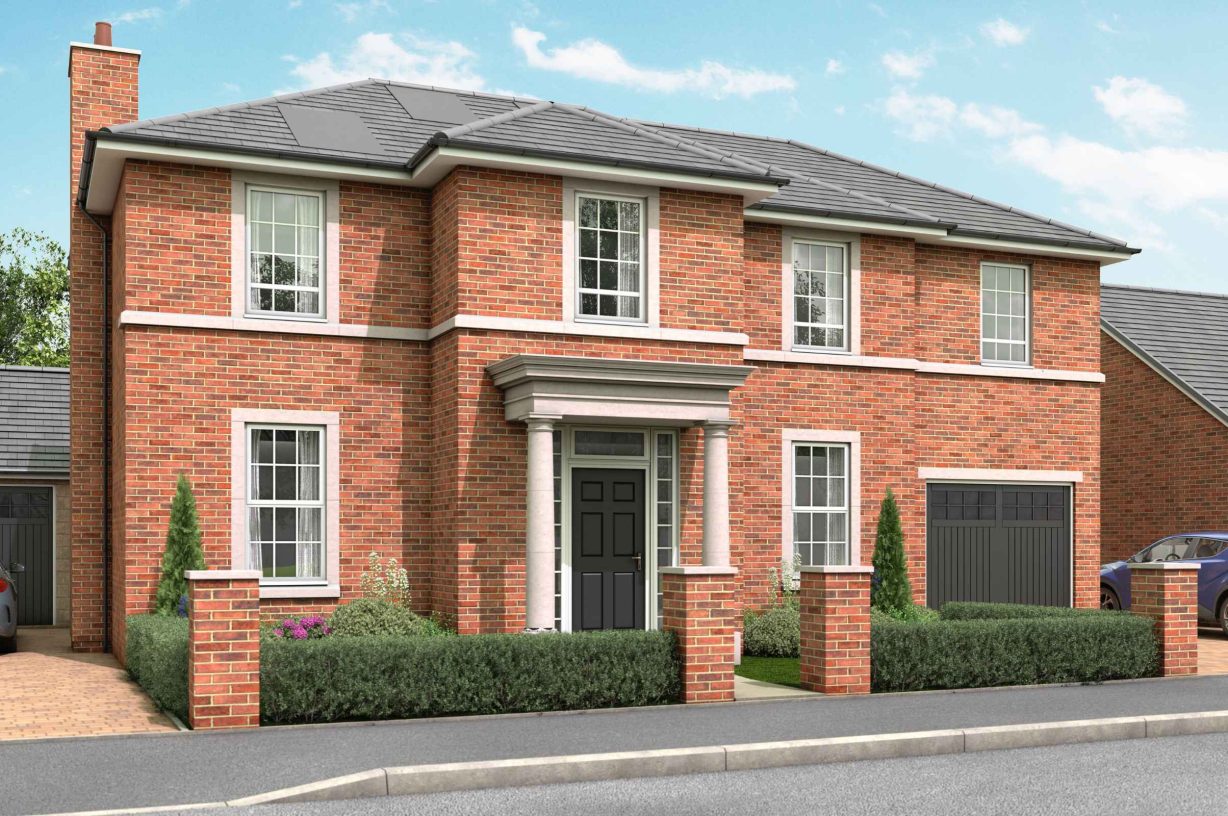
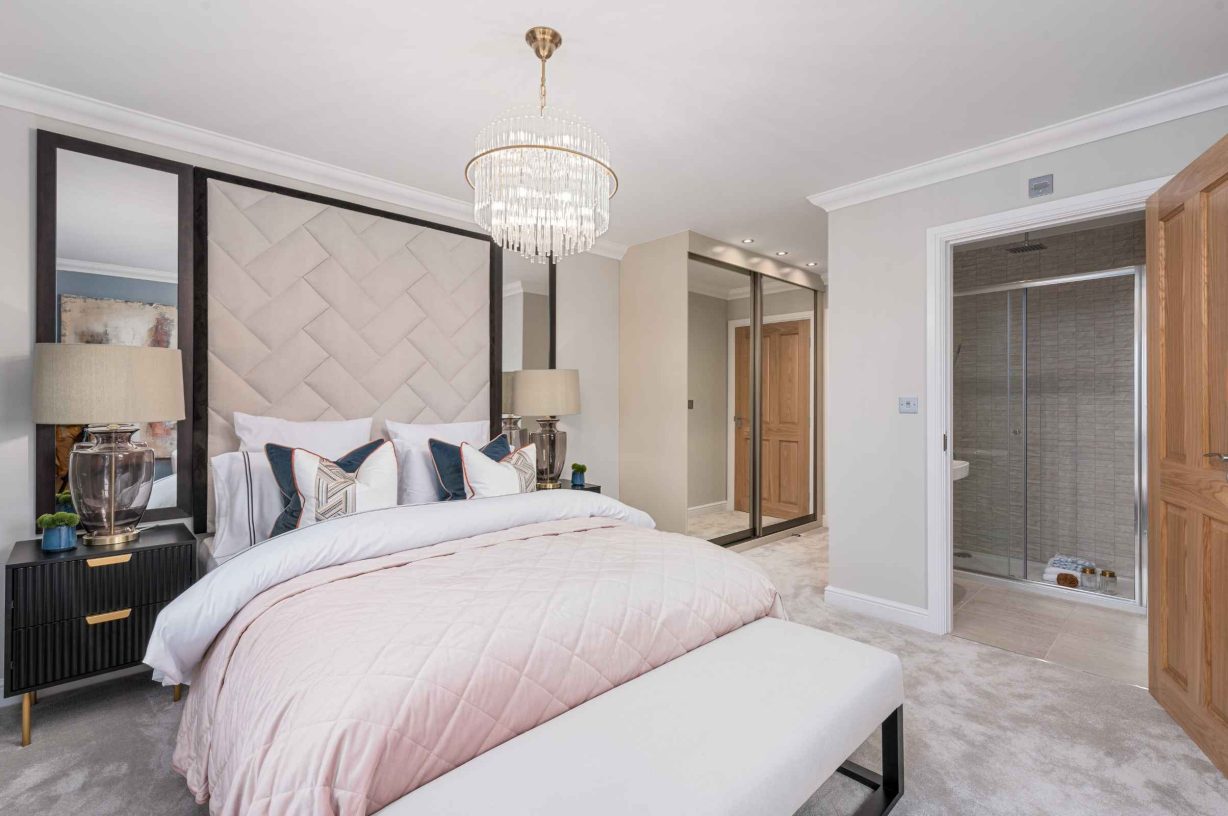
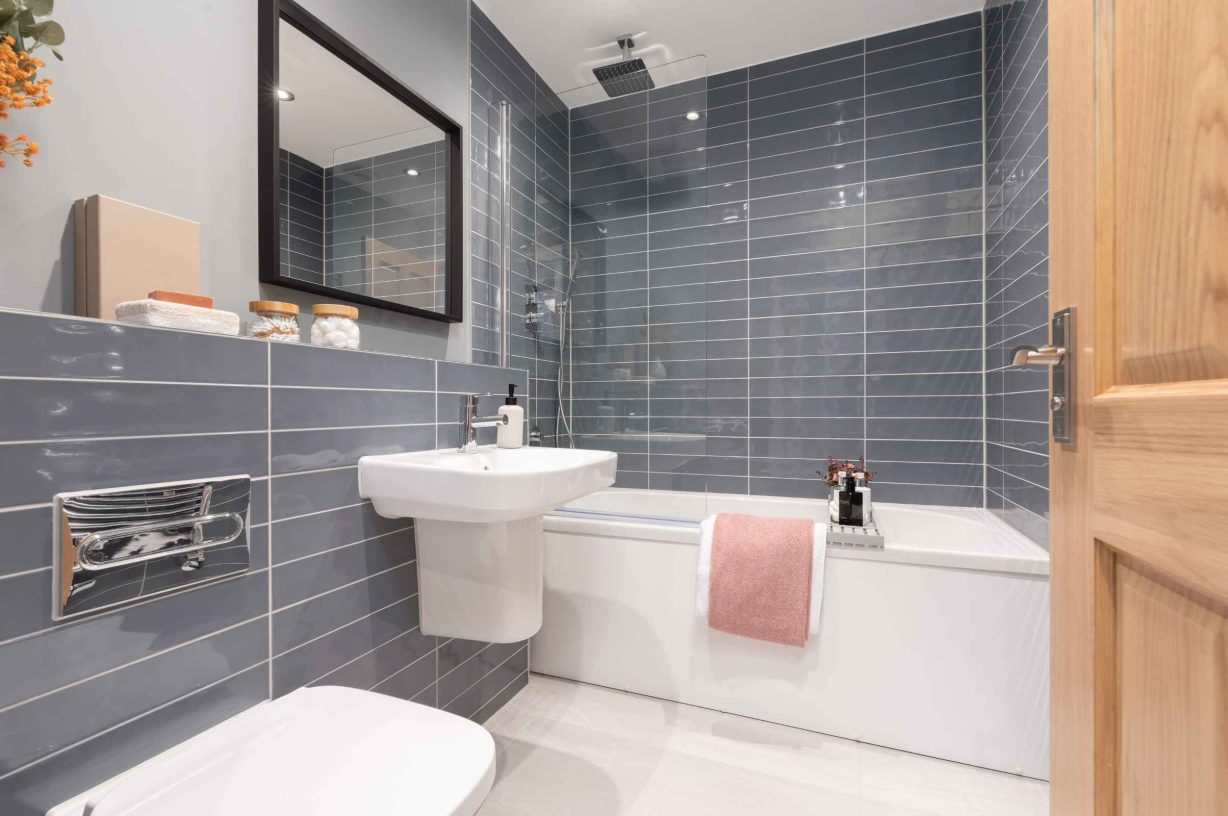
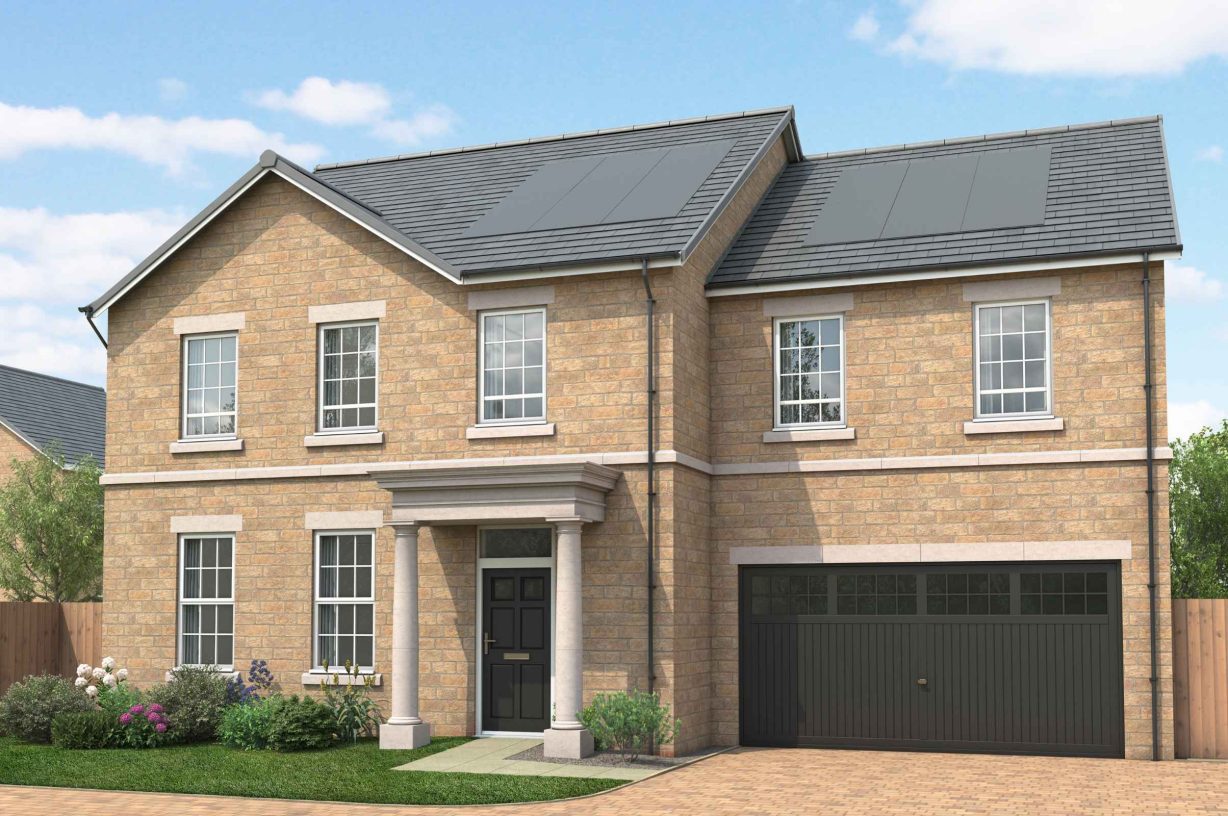
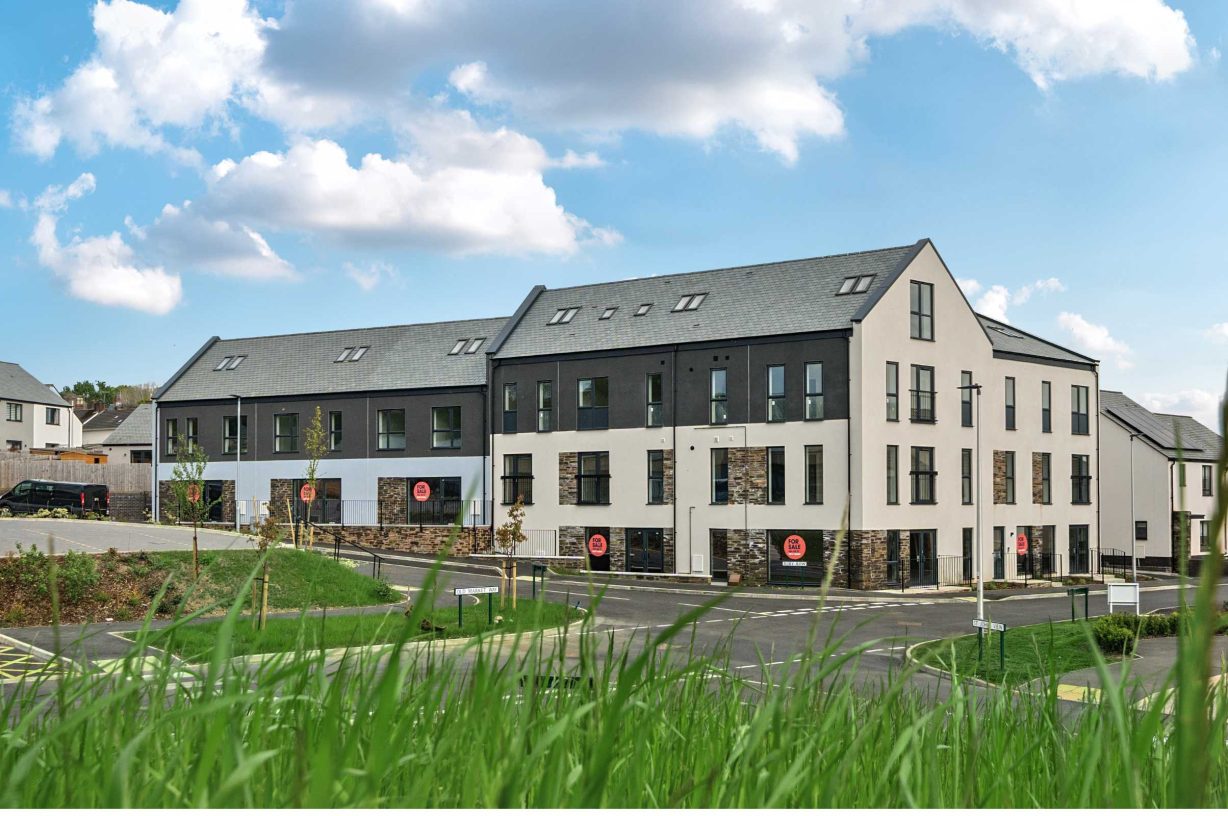
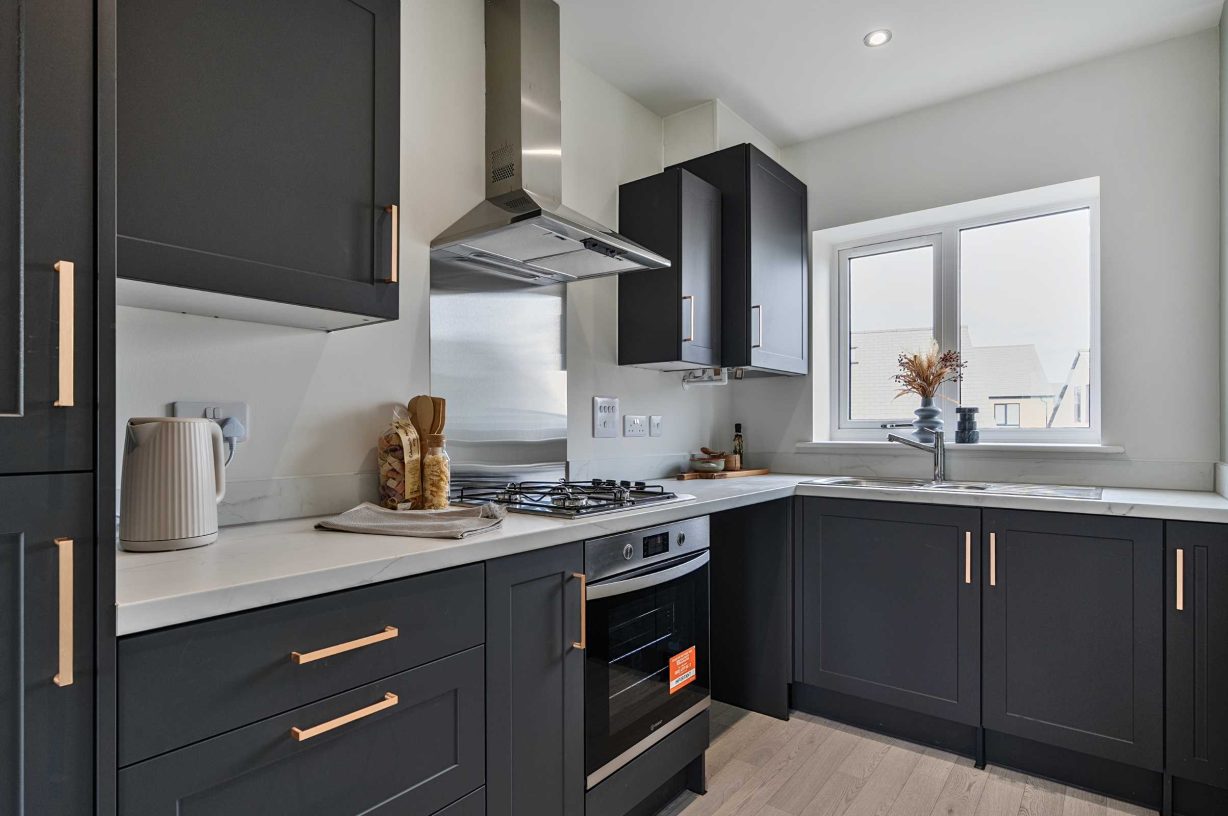
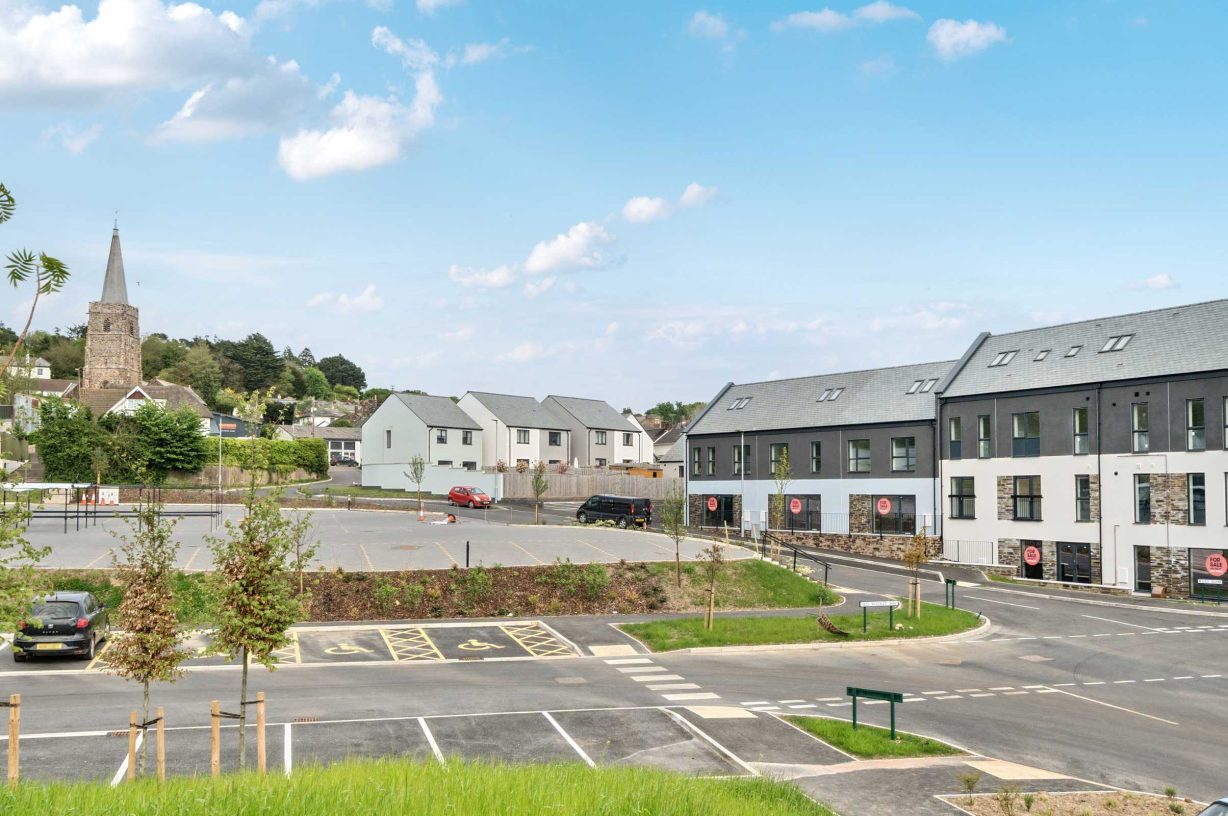
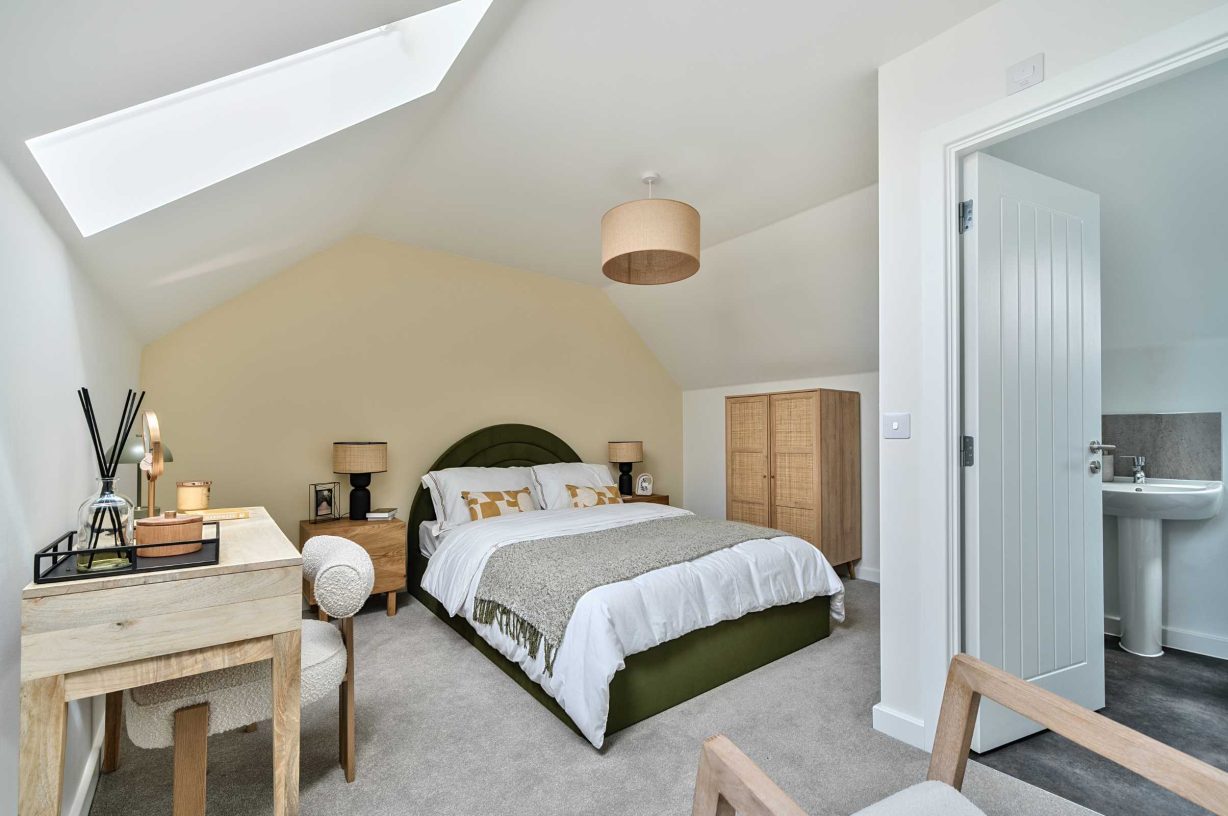
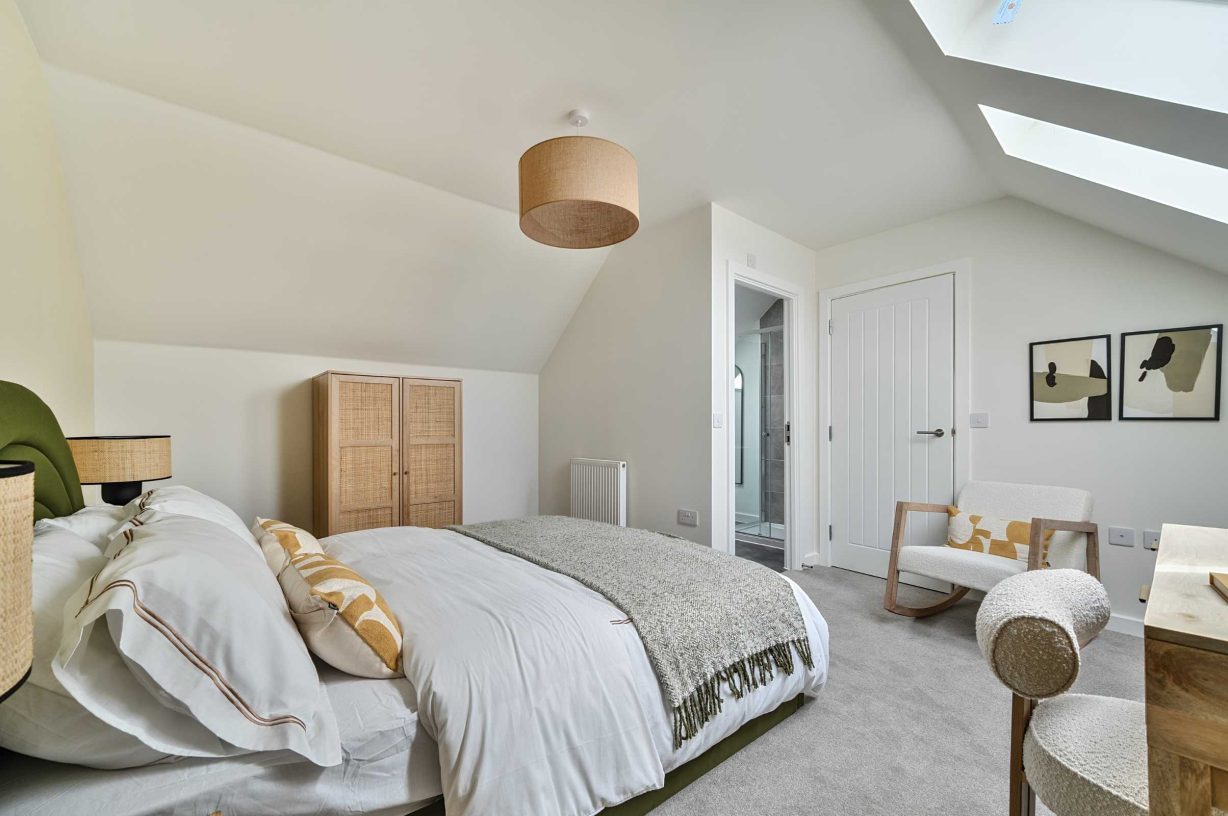
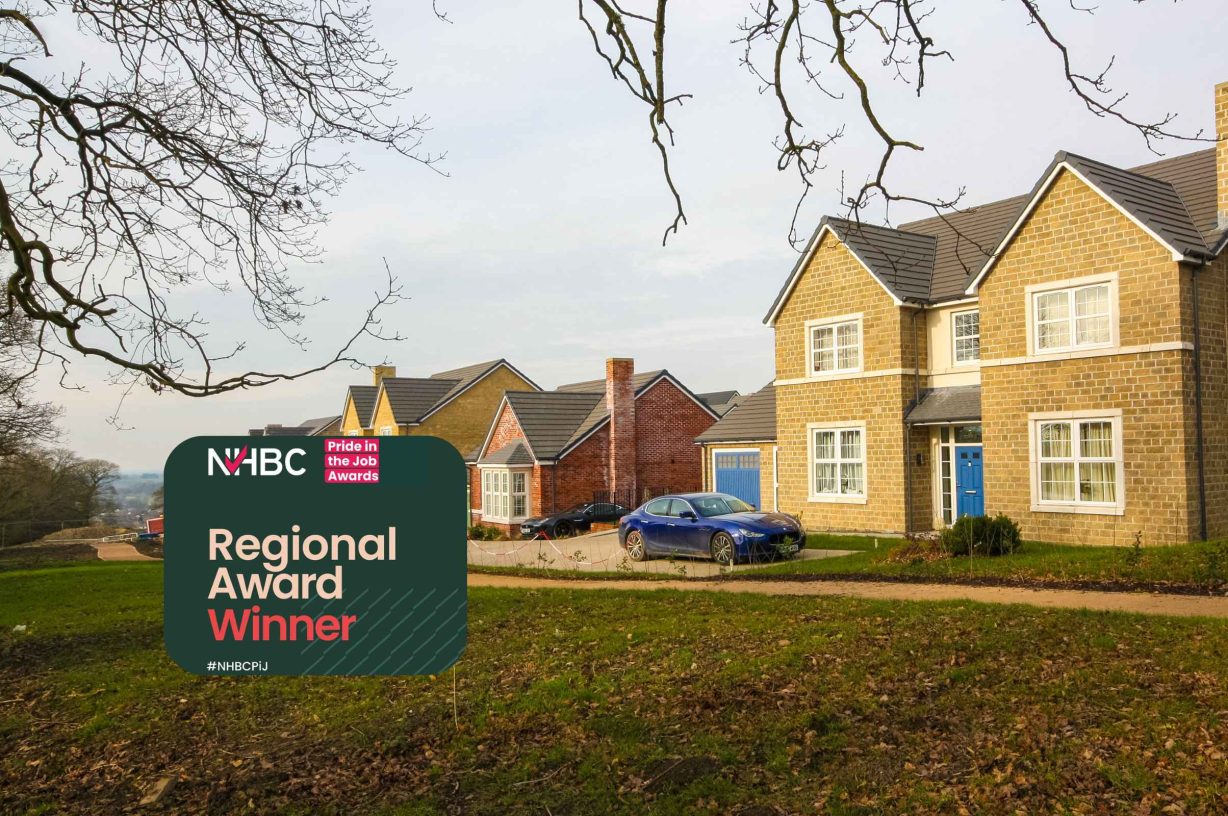
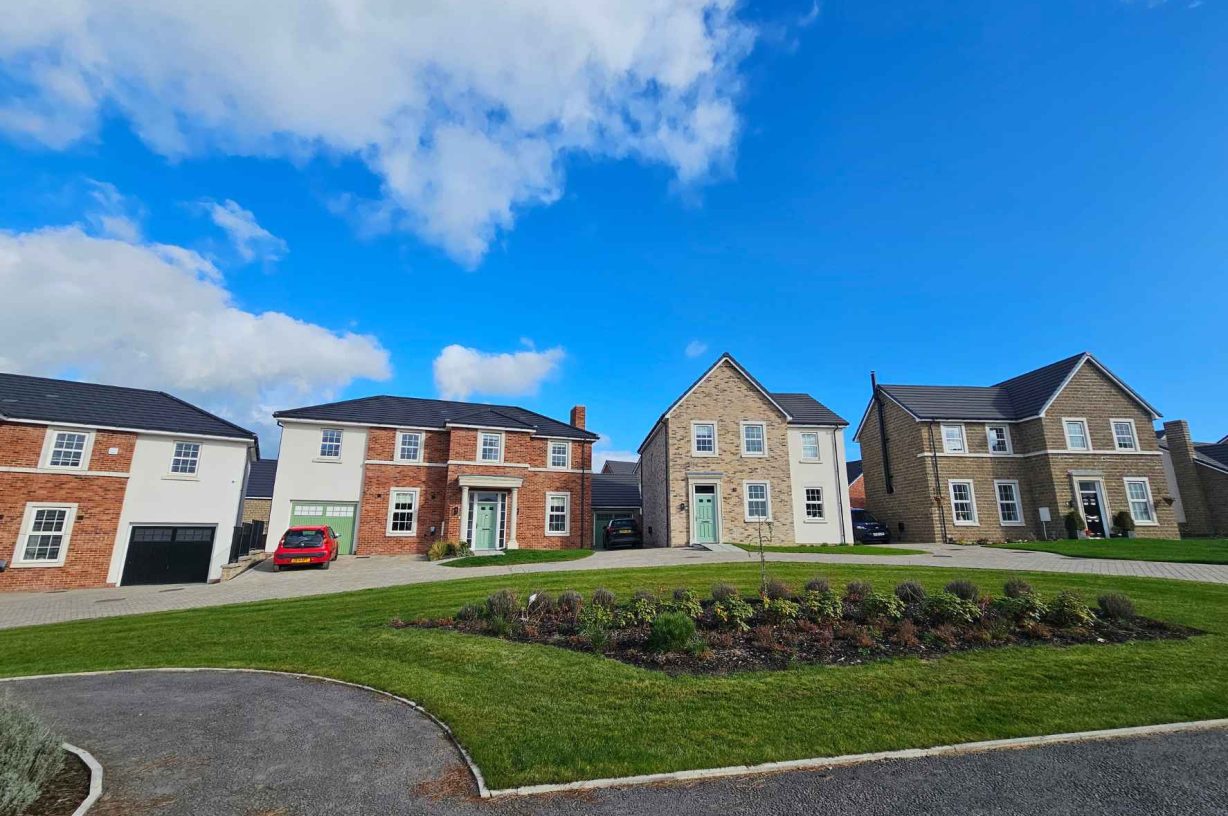
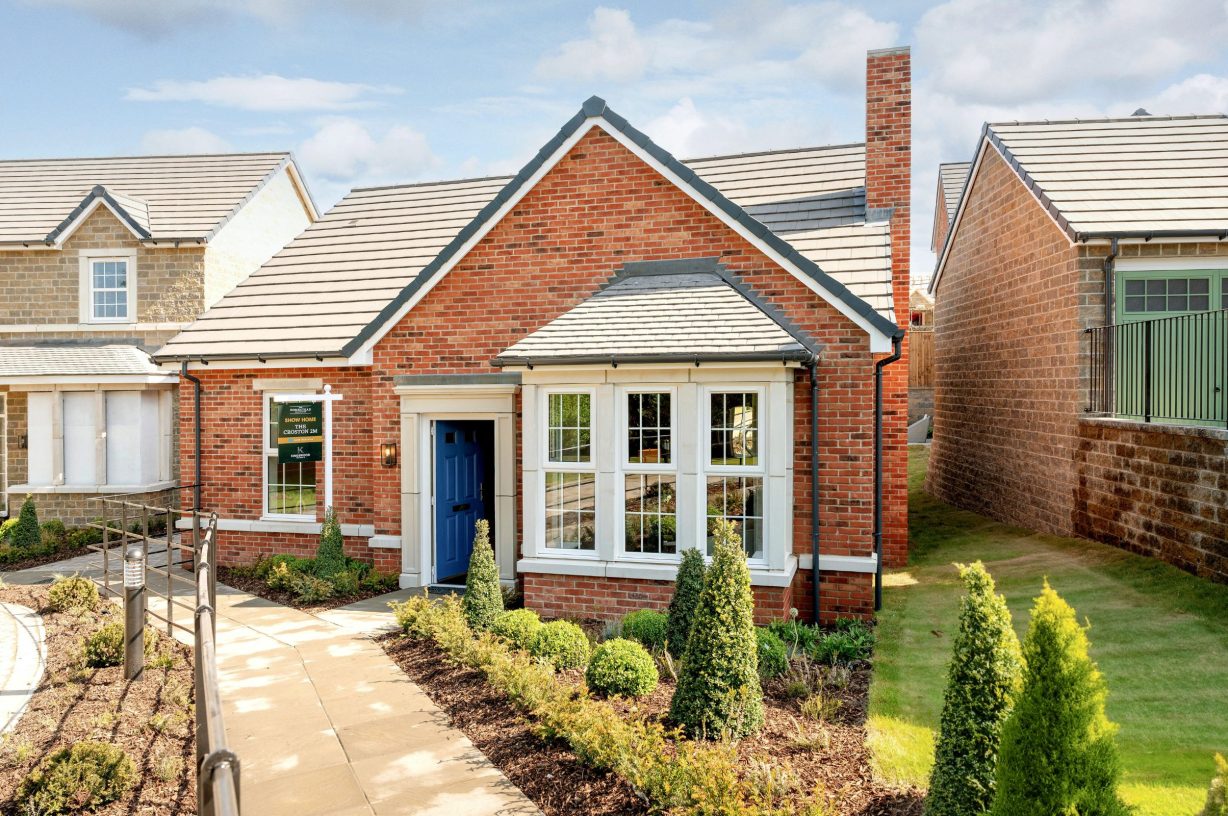
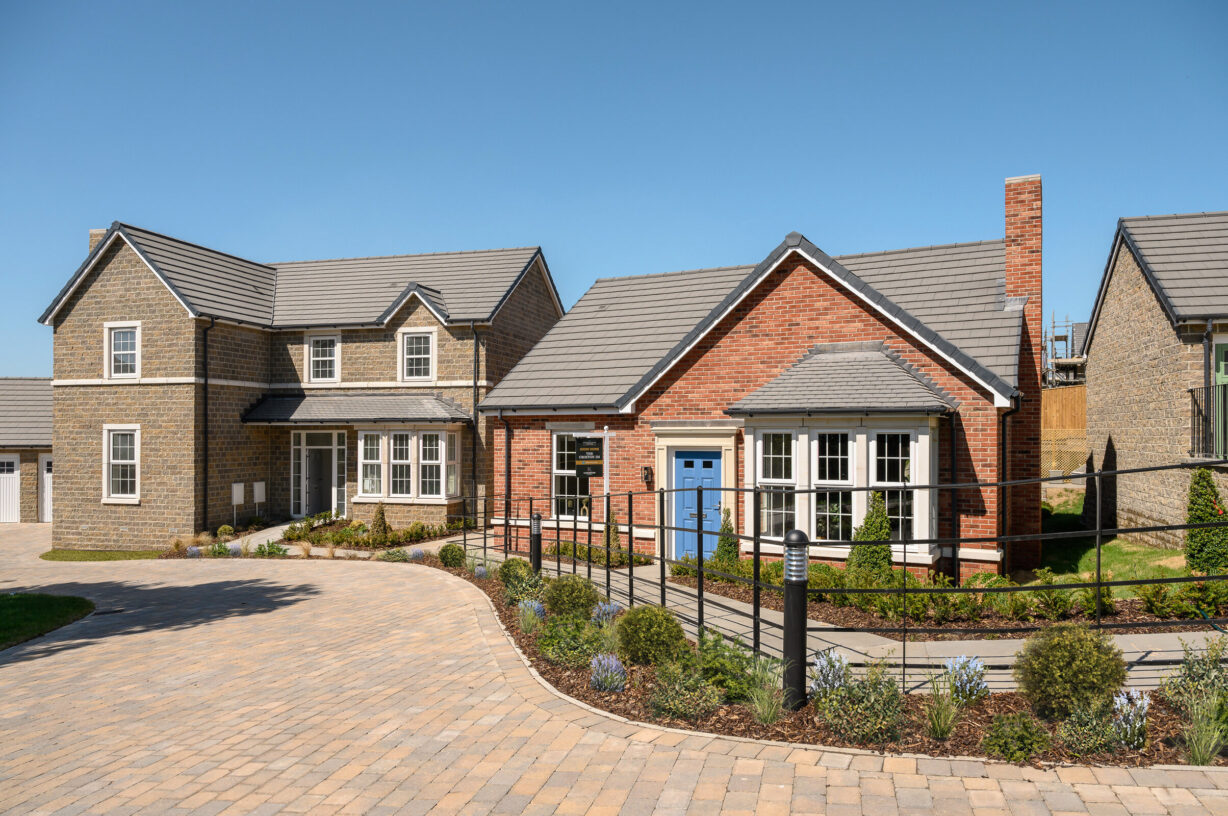
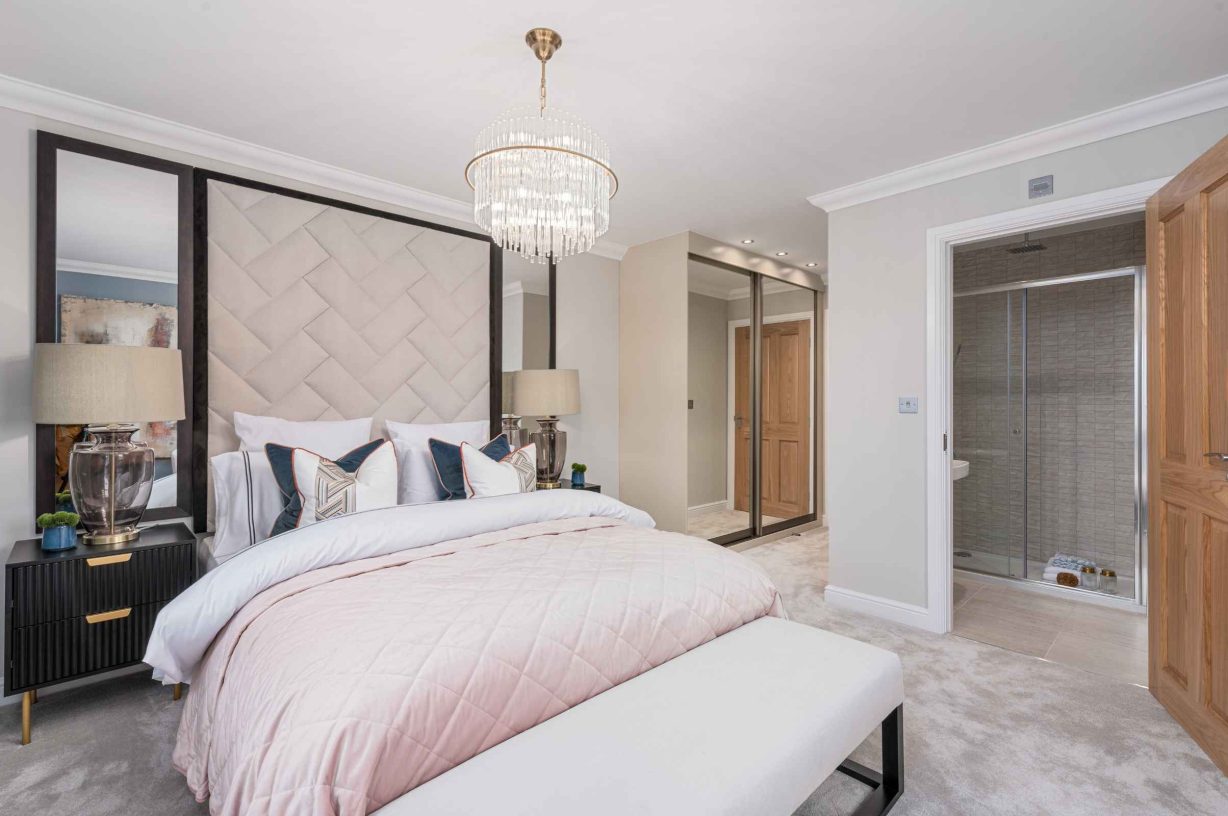
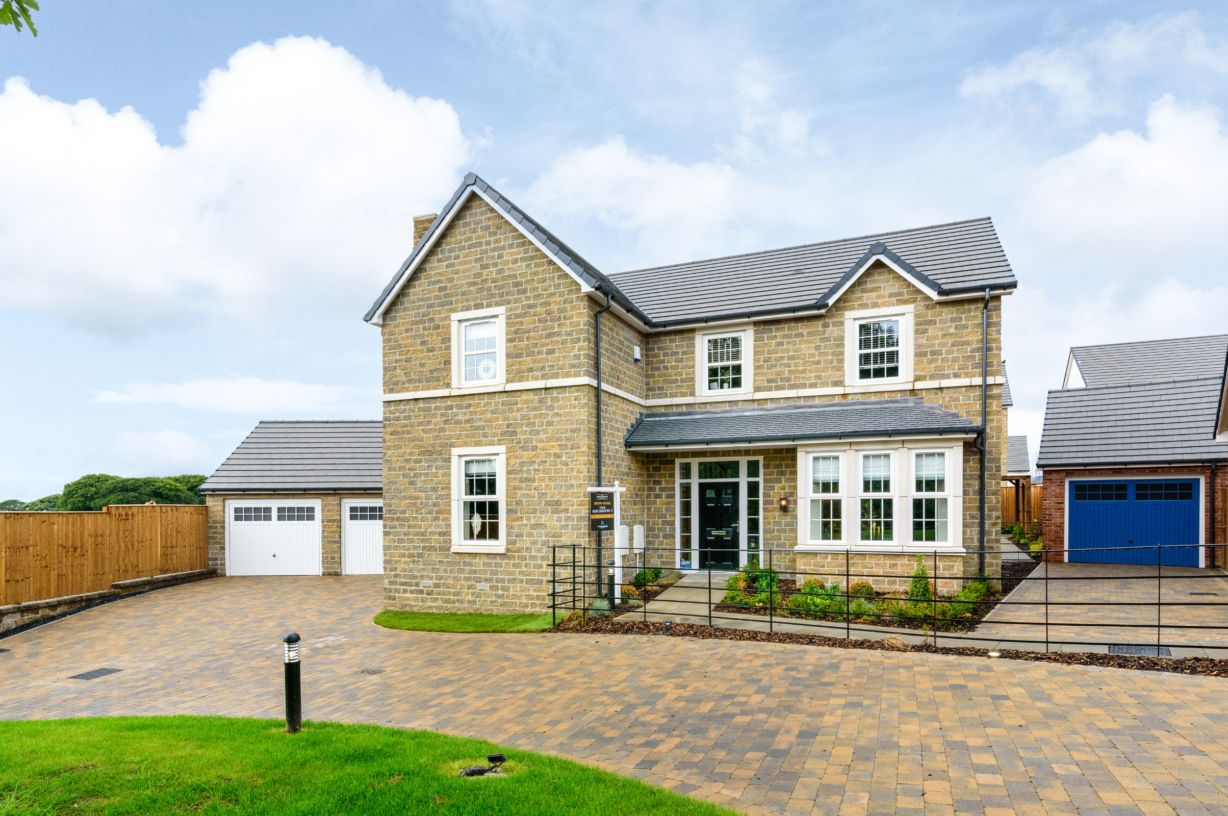
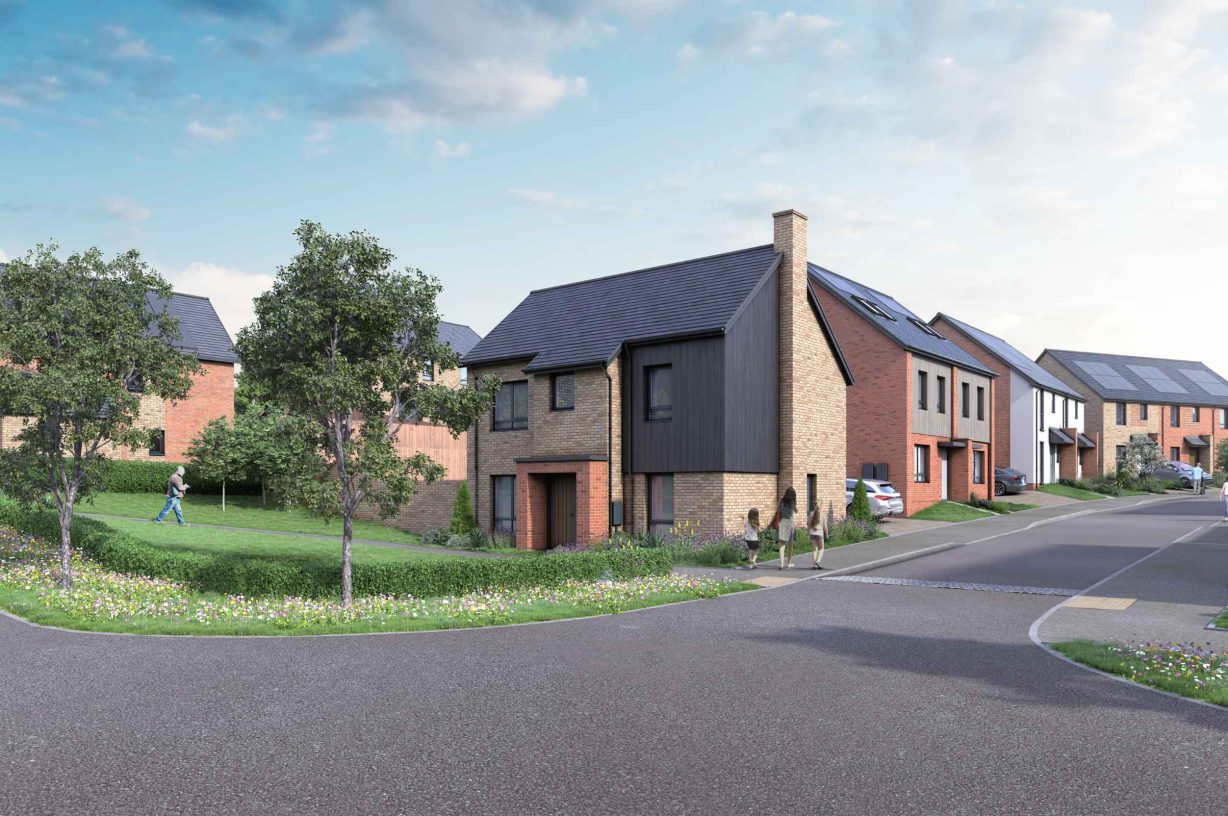
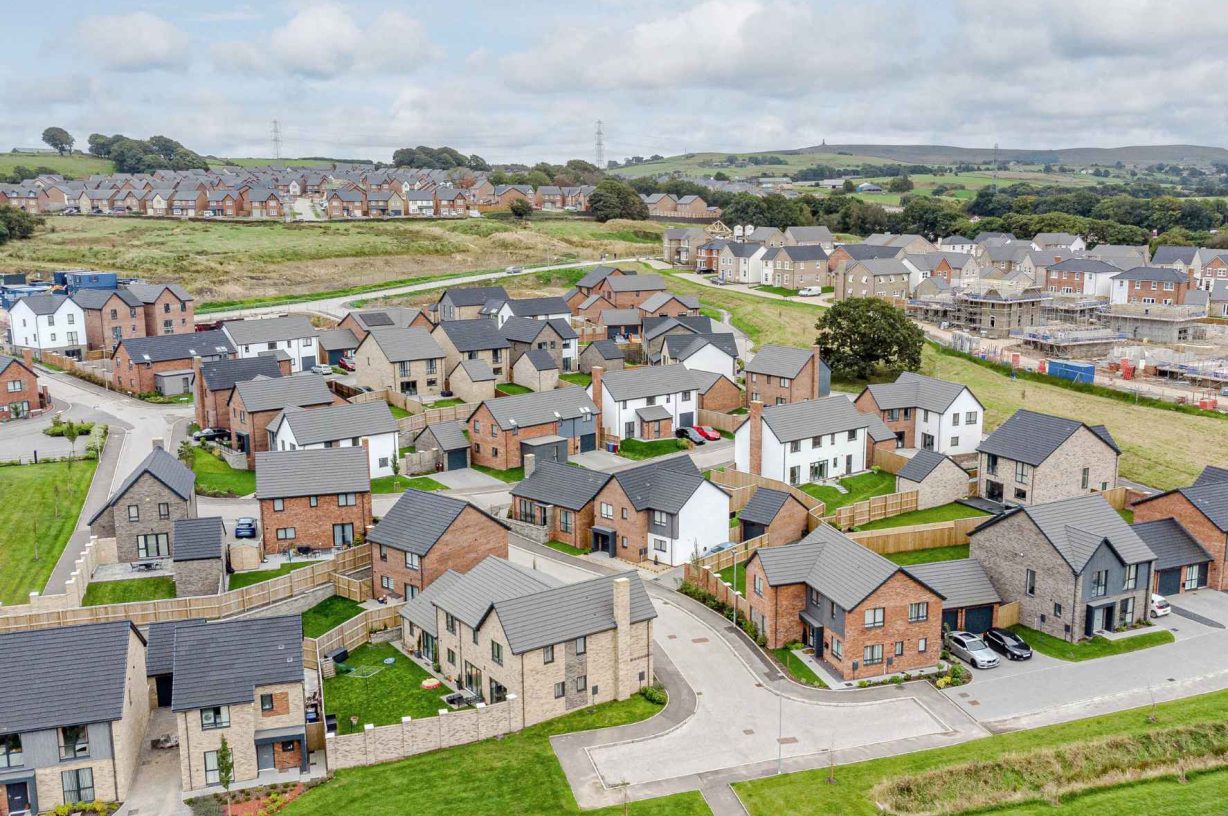
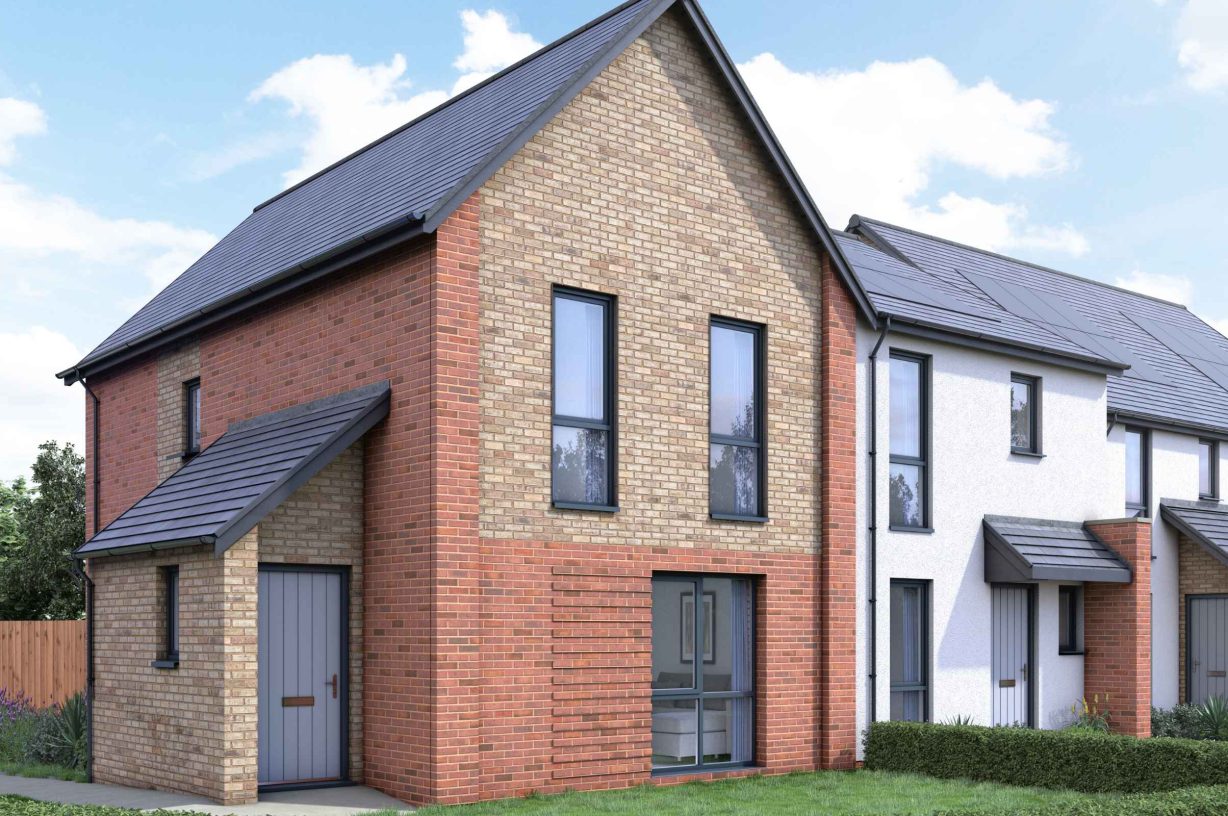
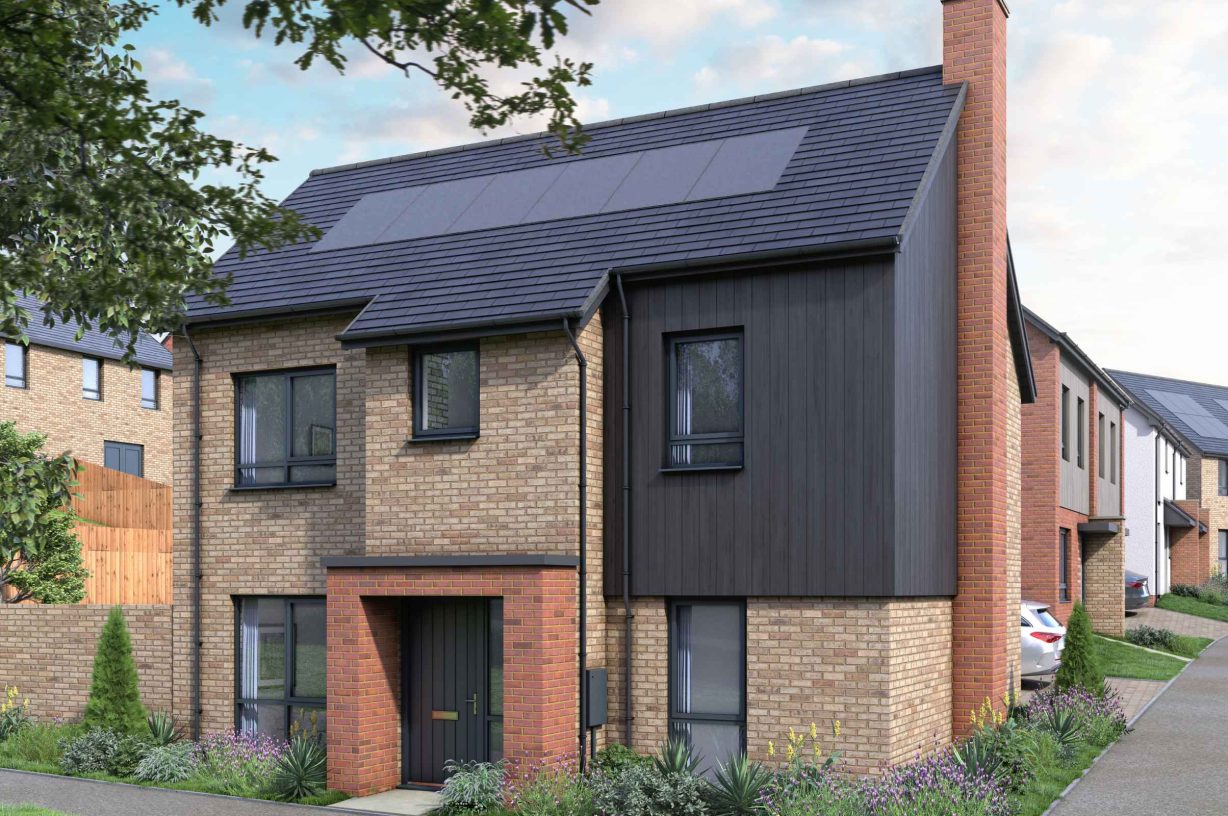
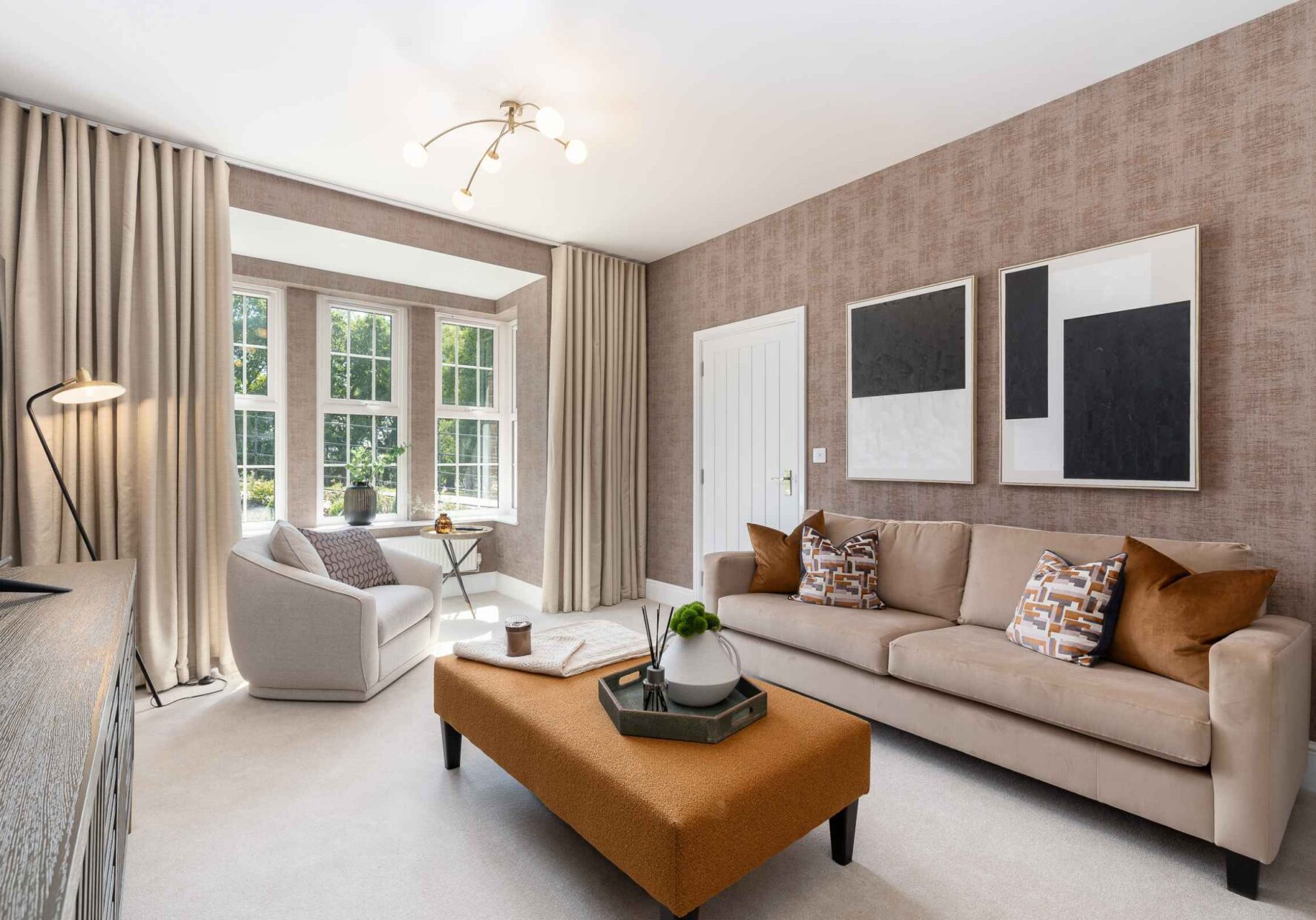
A new build home is a property that has been newly constructed and never been lived in before. This can include homes that are fully finished, nearly complete, or purchased off-plan before construction begins.
Key New Build Buying Terms Explained
- Mortgage
A mortgage is a loan provided by a bank or building society that allows you to borrow money to purchase a property. The property itself serves as security (collateral) for the loan, meaning if you fail to keep up with repayments, the lender has the right to repossess the home.
For new build purchases, it’s important to note that some lenders may have specific requirements or shorter mortgage offer timeframes, so it’s advisable to work with an independent financial advisor who understands new build mortgages.
- Decision in Principle (DIP) or Mortgage in Principle
A document from a mortgage lender confirming how much they may be willing to lend you. Most new build developers require this before allowing you to reserve a plot. This is not a full mortgage offer but helps you budget for property searches and shows the developer that you are in a position to purchase. A more detailed check will follow during your mortgage application, confirming the full borrowing amount.
- Mortgage Offer
Formal confirmation from a lender agreeing to lend you the money to purchase the home. With new builds, delays can mean mortgage offers need extending which may be something to factor into your timeline.
- Reservation Fee
A payment made to reserve a specific plot on a development. Kingswood’s reservation fee is £1000 and is deducted from the purchase price. You will then enter into a 28 reservation period where your reserved home is taken off the market and gives you time to secure mortgage approval, arrange conveyancing, and exchange contracts before the agreement expires.
You will have a 14 day cooling-off period, allowing cancellation with a full refund, as stipulated by the New Homes Quality Code. After this time, it is up to the developers discretion whether you will receive a refund of your reservation fee if the reservation is cancelled.
- Property Chain
A property chain occurs when multiple property transactions are linked together, with each buyer dependent on selling their current home before purchasing their next one. For example, you might be buying from someone who needs to sell their house to buy another property, and that seller may also be waiting on someone else.
One advantage of buying a new build home is that you are at the top of the chain meaning there is nobody selling the home you are buying which may result in fewer delays.
- Cash Buyer
If you can afford to buy a home outright, without a mortgage or loan then you are considered a ‘cash buyer’.
A cash buyer must have the money available to purchase the property at the time of reservation and not rely on money from selling another property.
If you are a cash buyer you are ‘chain free’ which means the purchase will most likely be quicker as you are not reliant on anybody else in a chain.
- Proceedable Position
When purchasing a new build home, you will be unable to reserve unless you are in a ‘proceedable position’. This means you are in an immediate position to reserve and purchase the home without being reliant on the sale of an existing property. To be proceedable you must:
- Have sold your existing property (sold subject to contract)
- Not be reliant on the sale of your current property in order to purchase the new build home
- Be a first time buyer or in rented accommodation
You will then be asked to provide documentation such a Decision in Principle (DIP) or proof of funds covering the cost of the plot and a memorandum of sale (if you’re selling an existing property.)
- Deposit
A deposit is a percentage of the property’s purchase price paid upon exchange of contracts when buying a new build home, usually between 5–10% of the property’s value. Kingswood Homes requires 10% deposit.
- Deposit Contribution
Many developers offer deposit contribution schemes to help buyers. These contributions can range from a few thousand pounds to a percentage of the property price (such as 5% deposit contributions), making homeownership more accessible to purchasers.
If the developer is offering a 5% deposit contribution, you may only need to pay a 5% deposit (10% in total) meaning that you will only need a 90% mortgage. This means more money in your pocket!
- Exchange of Contracts
The point at which the sale becomes legally binding. You’ll pay your deposit (usually 5–10%) and commit to buying the property, even if it’s not yet finished. Your solicitor (or conveyancer) will finalise the legal terms, verify funds, and formally exchange signed documents with the developer’s solicitor to make the purchase legally binding. If you have used a mortgage to purchase the property, you will not start paying this until after completion.
- Completion
The final stage of the purchase when the remaining funds are transferred, ownership is registered in your name, and you receive the keys to your new home. If you have used a mortgage to purchase the property, you will begin paying this after completion.
- Tenure
Legal ownership type, usually freehold or leasehold. Can also be used to refer to whether a home is sold as shared ownership, rented or privately sold.
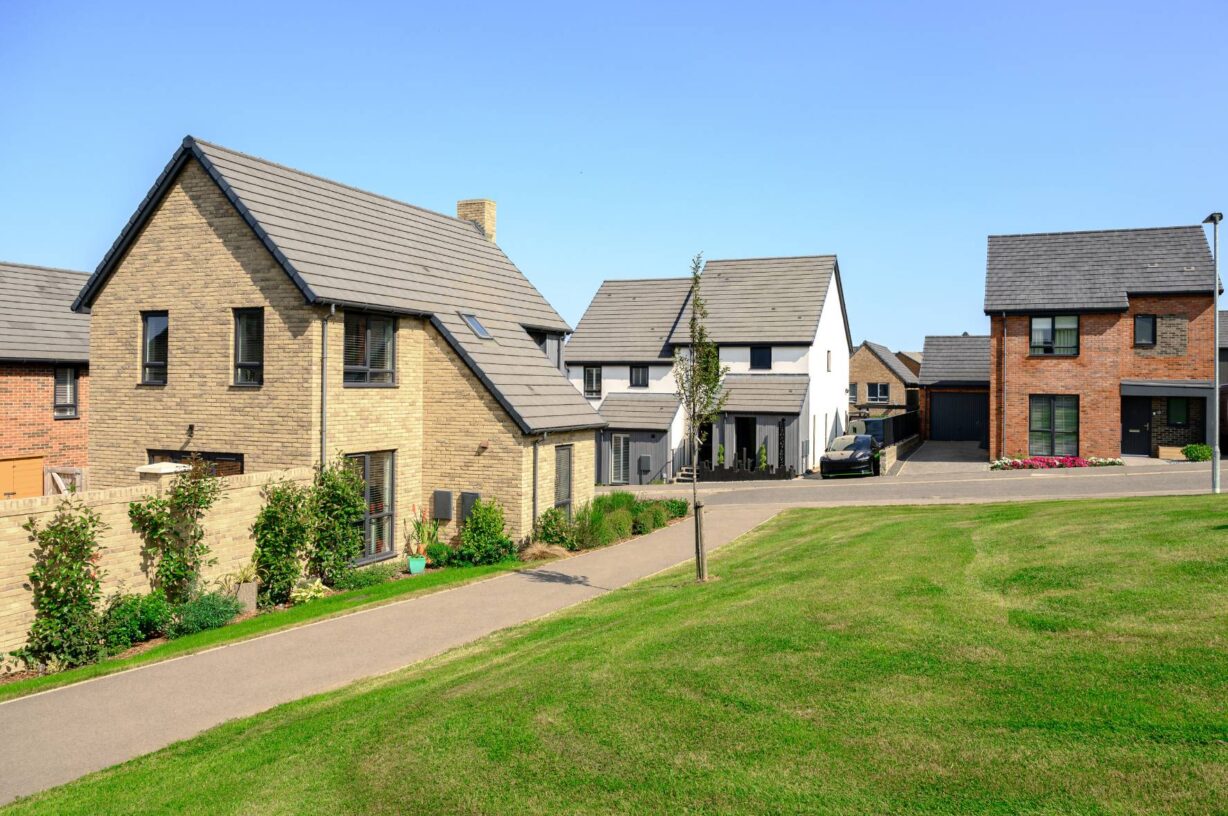
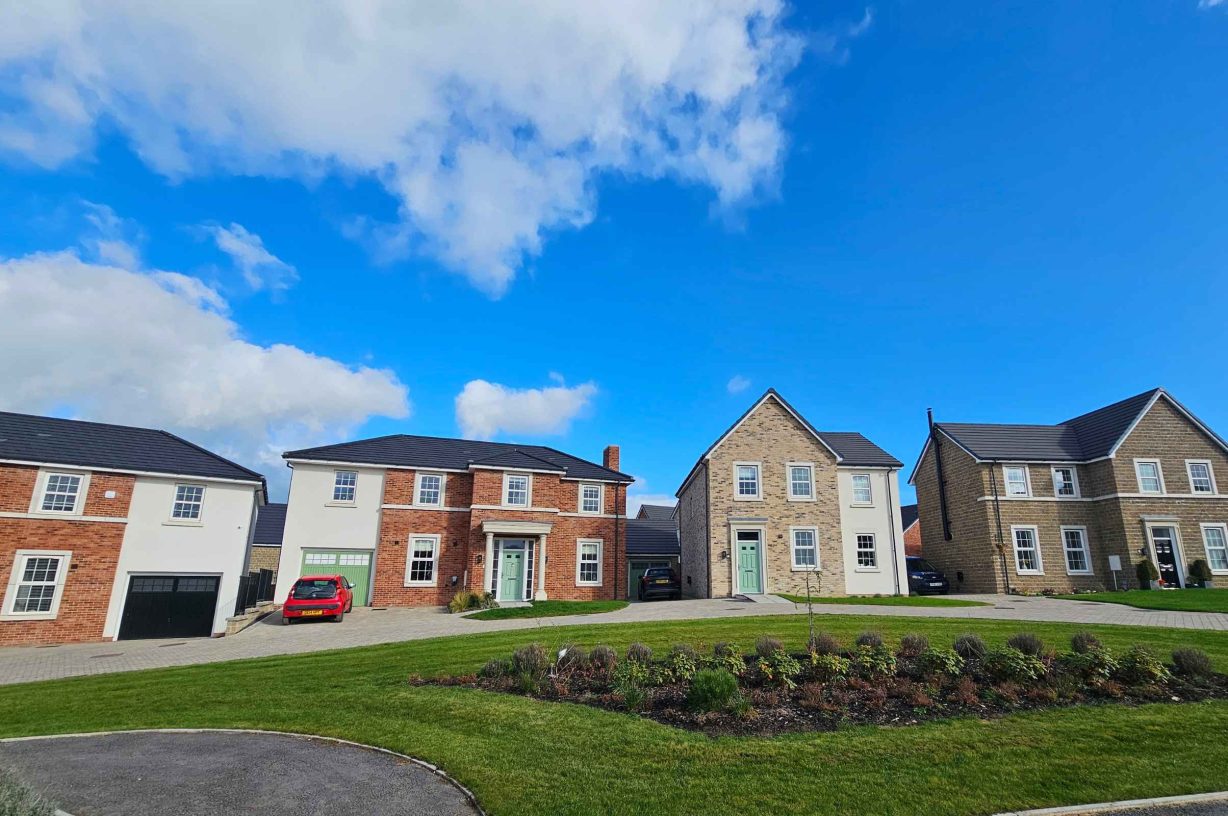
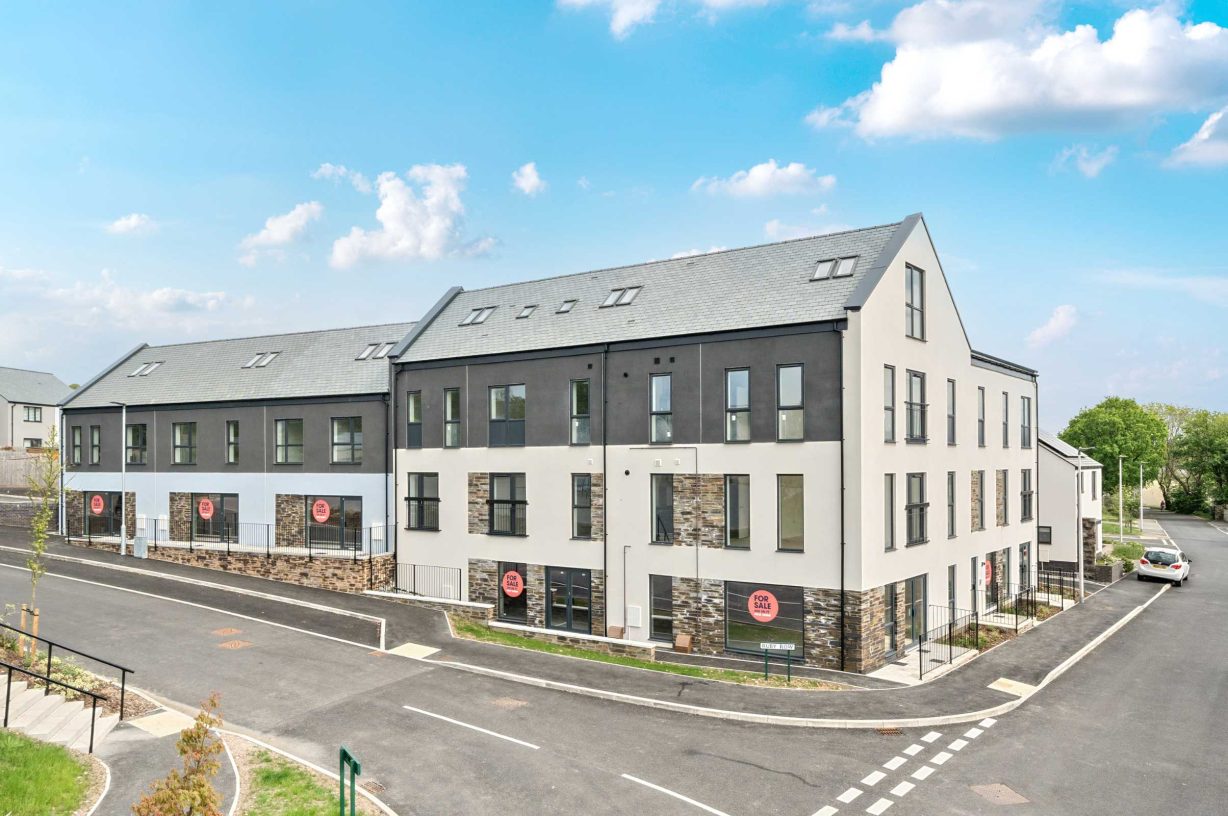
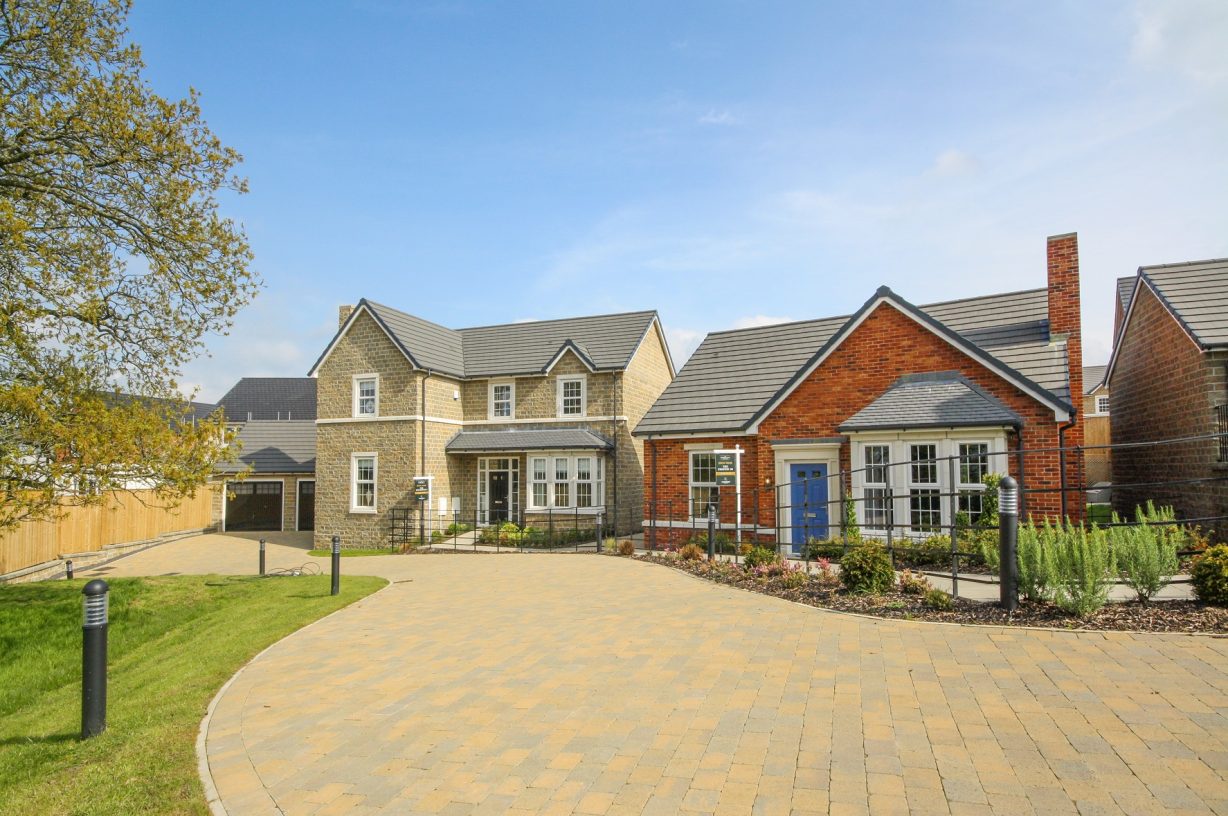
At Kingswood Homes, all developments are ‘tenure blind’, meaning homes of different tenure types (such as shared ownership, affordable rent, and open market homes) look identical from the outside, ensuring no visual distinction between different ownership arrangements.
- Stamp Duty Land Tax (SDLT)
A government tax paid when purchasing property or land in England and Northern Ireland above certain price thresholds. Stamp Duty is calculated based on the purchase price, your buyer status, and whether you own other properties.
Your solicitor or conveyancer normally calculates and pays Stamp Duty to HMRC on your behalf shortly after completion.
Some developers may offer Stamp Duty contributions as a sales incentive. While this can reduce your upfront costs, it must be declared to your mortgage lender as it may affect the property valuation or lending decision.
First-time buyers may qualify for Stamp Duty relief, meaning they pay reduced or no tax depending on the property price and eligibility criteria.
- Off-Plan Purchase
Buying a home before it has been built or before it is fully completed. To make the decision to purchase a new build home ‘off plan’ you will need to rely on:
- Floorplans
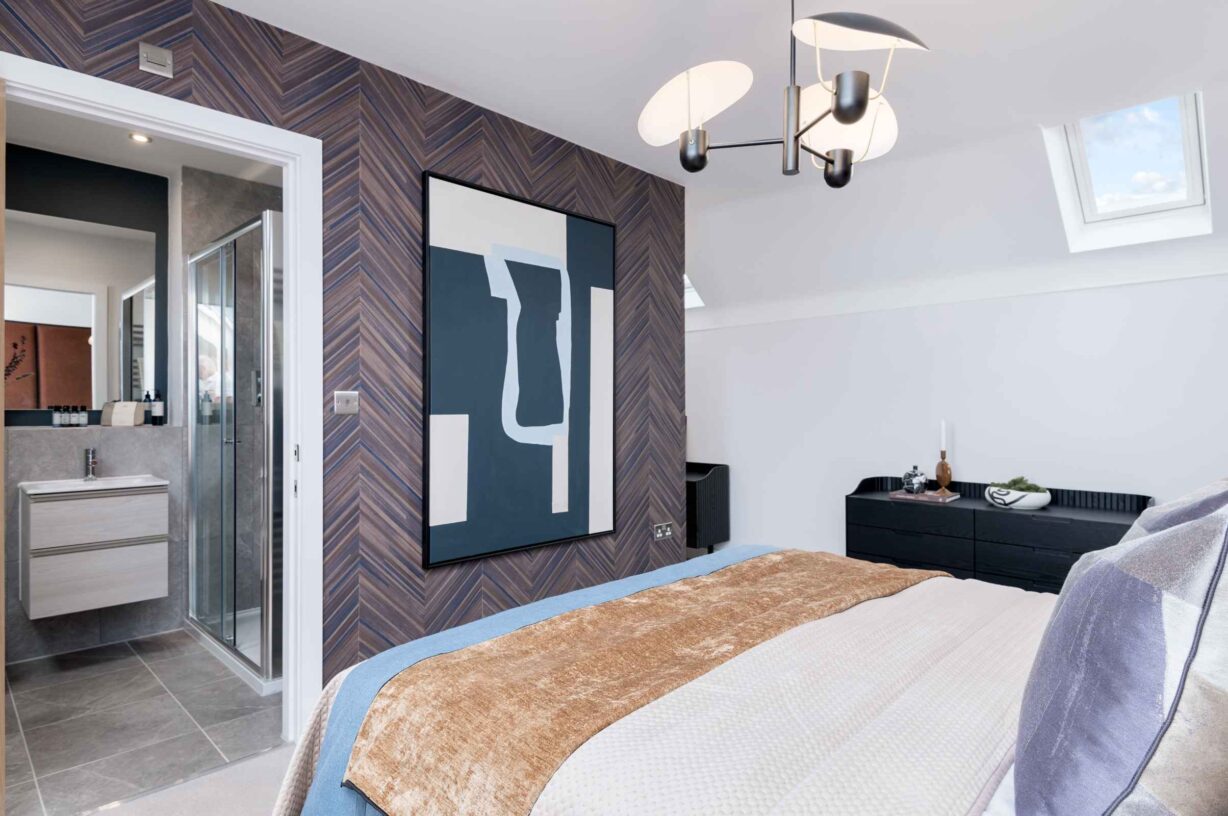
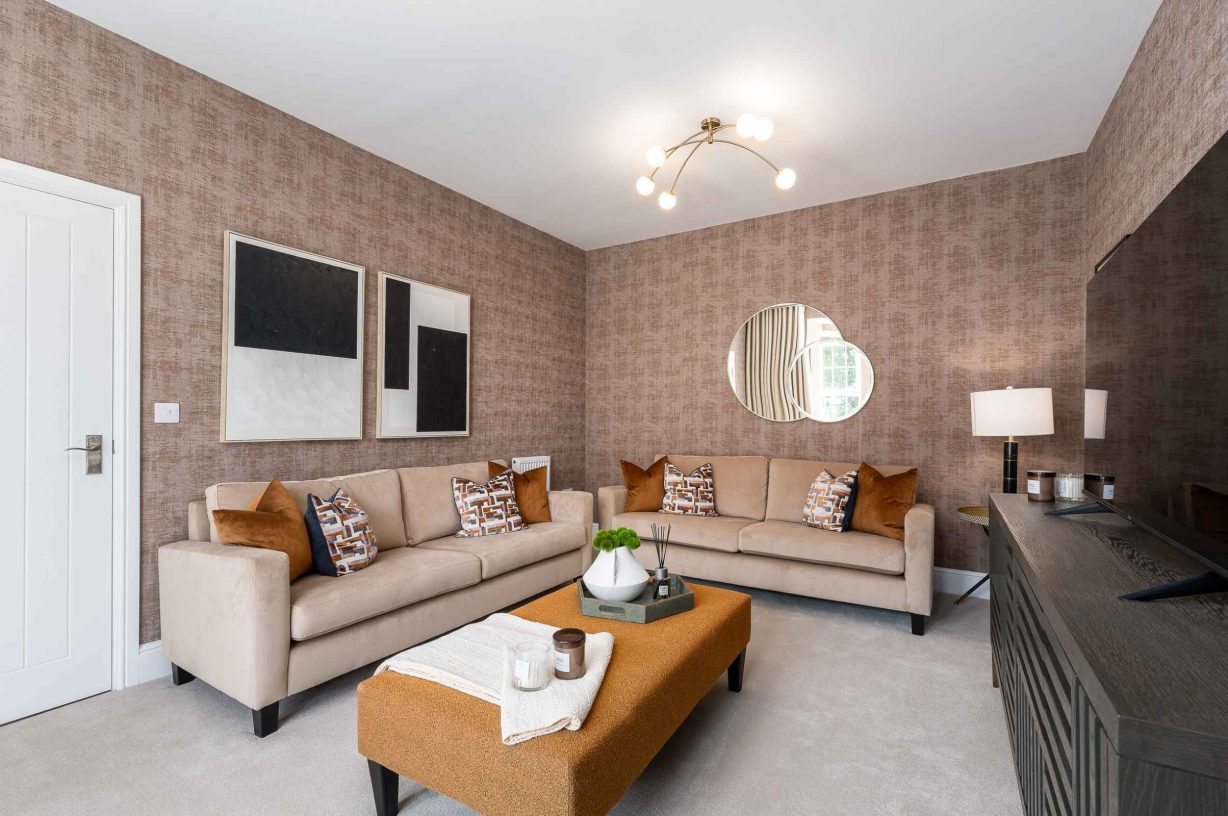
- Show homes
- Developer specifications
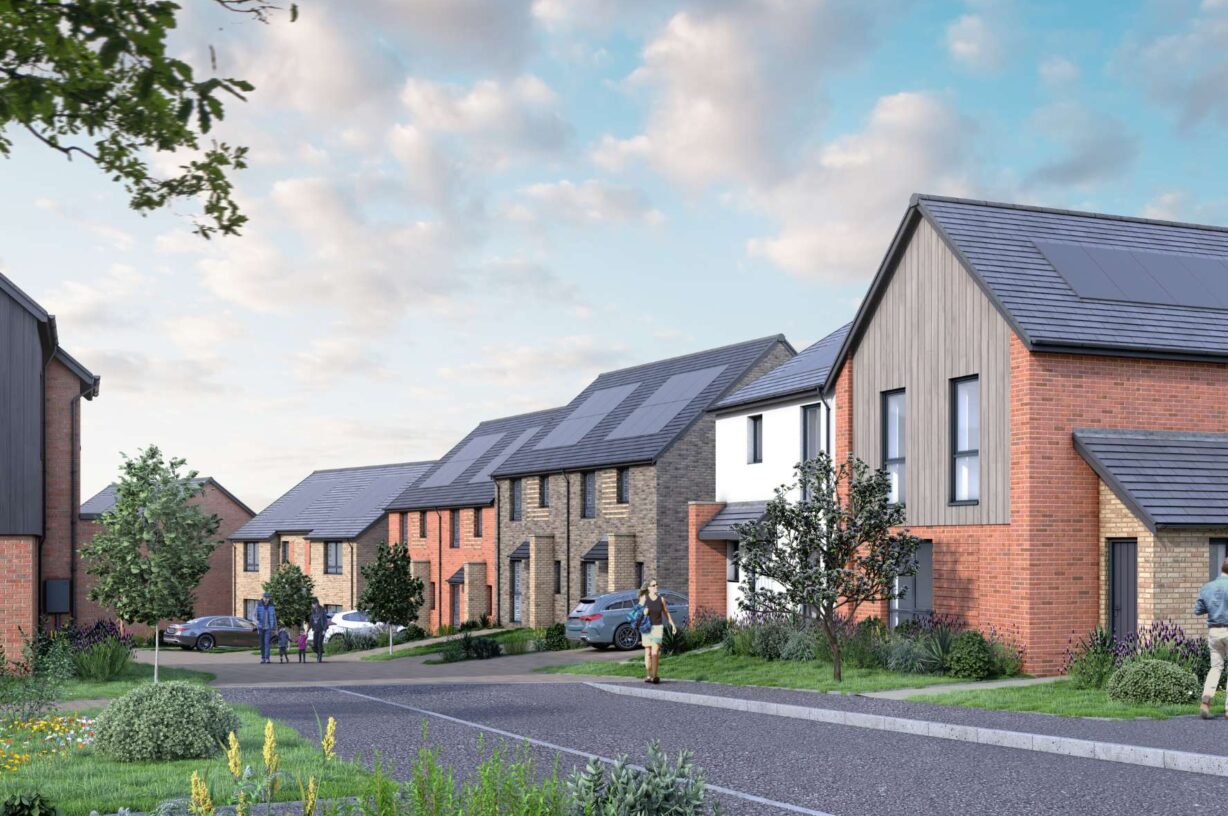
- CGIs
- Virtual tours
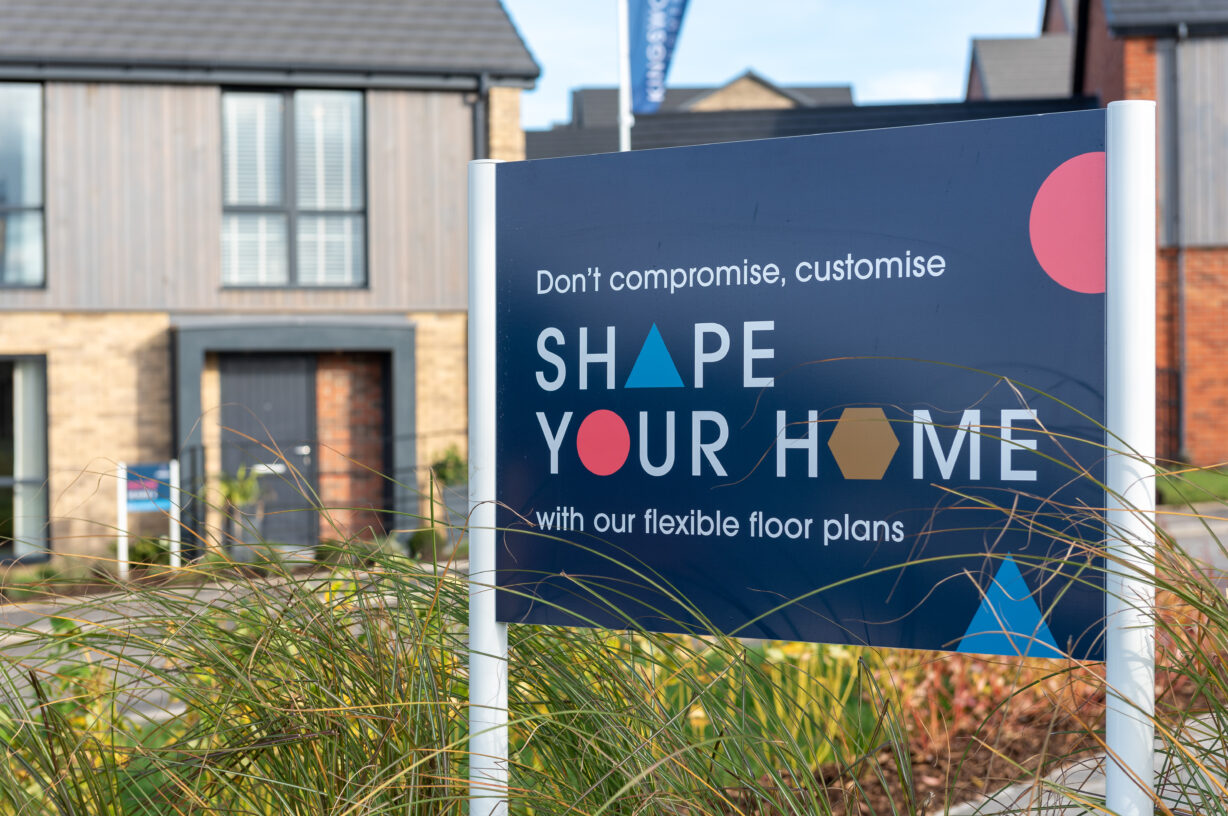
Reserving off-plan gives you control and flexibility over your future home. Key benefits include securing your preferred plot early, choosing from multiple layouts through Kingswood Homes’ Shape Your Home concept, and customising your property to suit your lifestyle. You can design your dream home from the start without costly renovations.
- Developer Incentives
Extras offered by developers to encourage buyers. Incentives often include:
- Stamp Duty contributions
- Deposit contributions
- Flooring or appliance upgrades
- Legal fee contributions
- Moving costs paid for
- Assisted Move fees paid for
These must be disclosed to mortgage lenders, as they can affect valuations.
- Affordable Housing
Homes provided below market value through government-backed schemes or housing associations. These options are usually targeted at those who cannot afford to rent or buy on the open market and often requir a connection to the local area.
Types of Tenure include:
- Social Rent: Low-rent, council-owned, or managed by housing associations
- Affordable Rent: Rents capped at a maximum of 80% of local market rates.
- Shared Ownership: A hybrid scheme where a percentage is bought (25%–75%) and rent is paid on the remainder.
- First Homes: Specific new-build homes sold at a discount of 30% to 50% to first-time buyers.
- Building Warranty (NHBC & LABC)
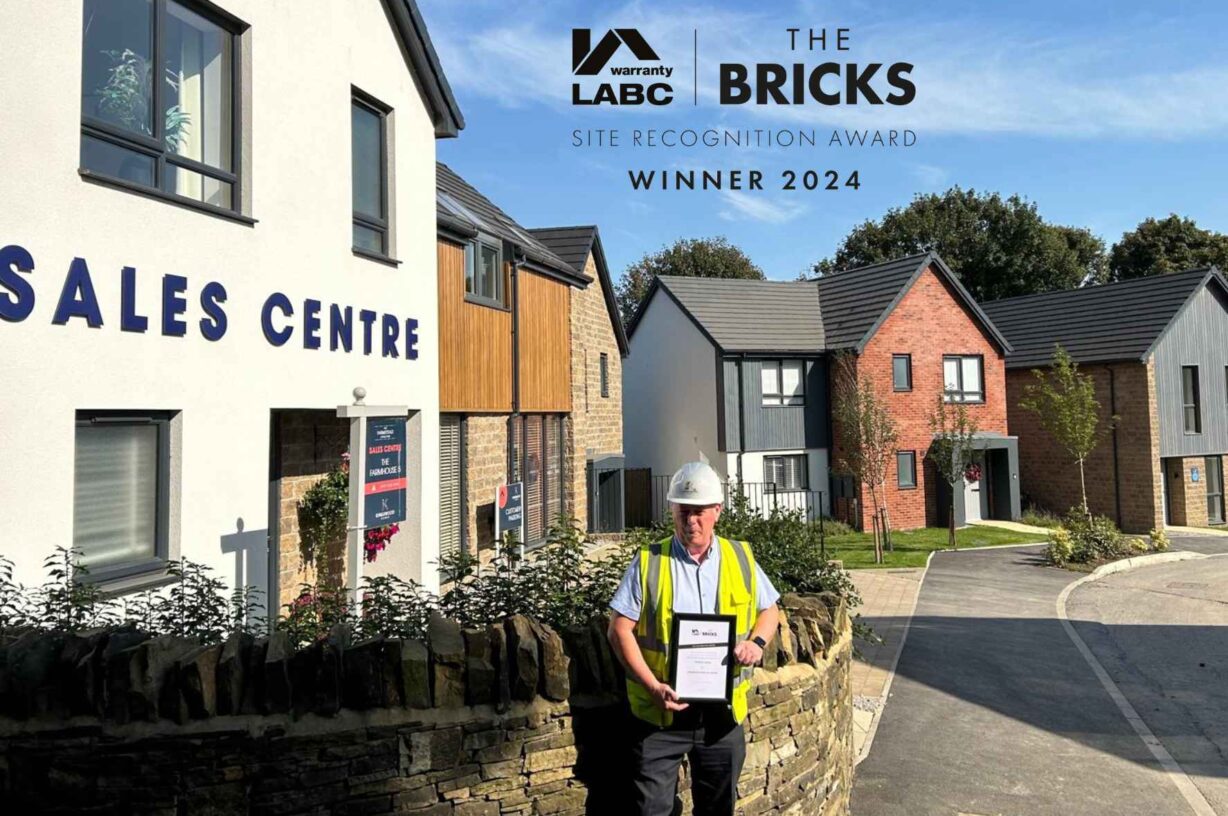
A 10-year structural warranty required by most UK mortgage lenders.
Typically includes:
- Years 0–2: Developer responsible for fixing defects
- Years 3–10: Insurance covers major structural issues
- Building Regulations
UK legal standards that ensure new homes are safe, energy efficient, and structurally sound. Your new home must comply before it can be occupied.
- Snagging
Minor defects or unfinished work identified after moving in, such as paint marks, loose fittings, or doors not closing properly.
- Freehold vs Leasehold
Freehold
You own the property and the land outright. Most UK houses are freehold, although estate charges may still apply.
Leasehold
You own the property for a fixed number of years but not the land. Common for apartments. Leaseholders may pay:
- Service charges
- Ground rent (often £0 on newer leases)
Always check lease length and costs carefully.
- Service Charge / Estate Management Fee
A fee paid for maintaining shared spaces such as:
- Private roads
- Green spaces
- Play areas
- Lighting and drainage
These charges are common on new build estates, even for freehold homes.
- Adopted vs Unadopted Roads
Adopted roads are maintained by the local council.
Unadopted roads remain privately managed, with maintenance costs covered by residents through service charges.
- Section 106 Agreement
A legal planning agreement between the developer and the local authority, requiring contributions such as affordable housing, schools, or transport improvements.
- Energy Performance Certificate (EPC)
A legal certificate rating the home’s energy efficiency from A to G.
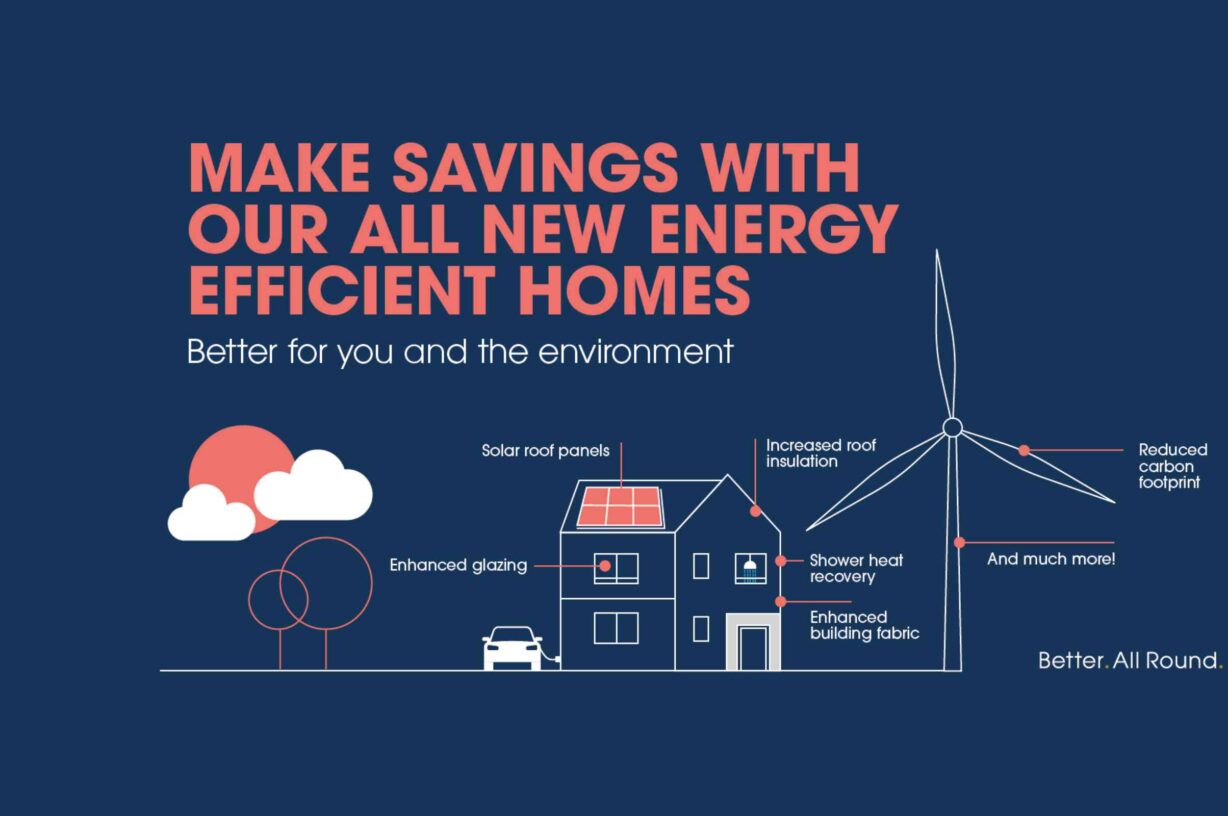
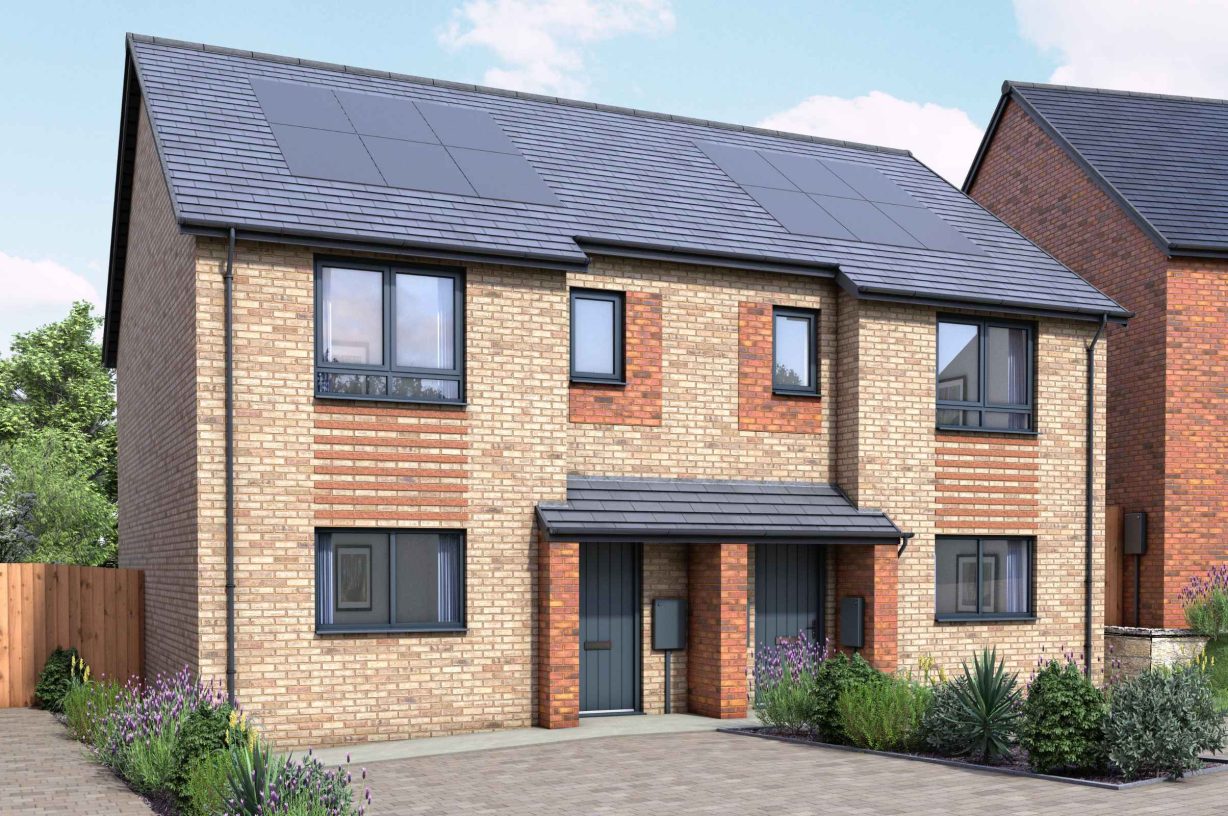
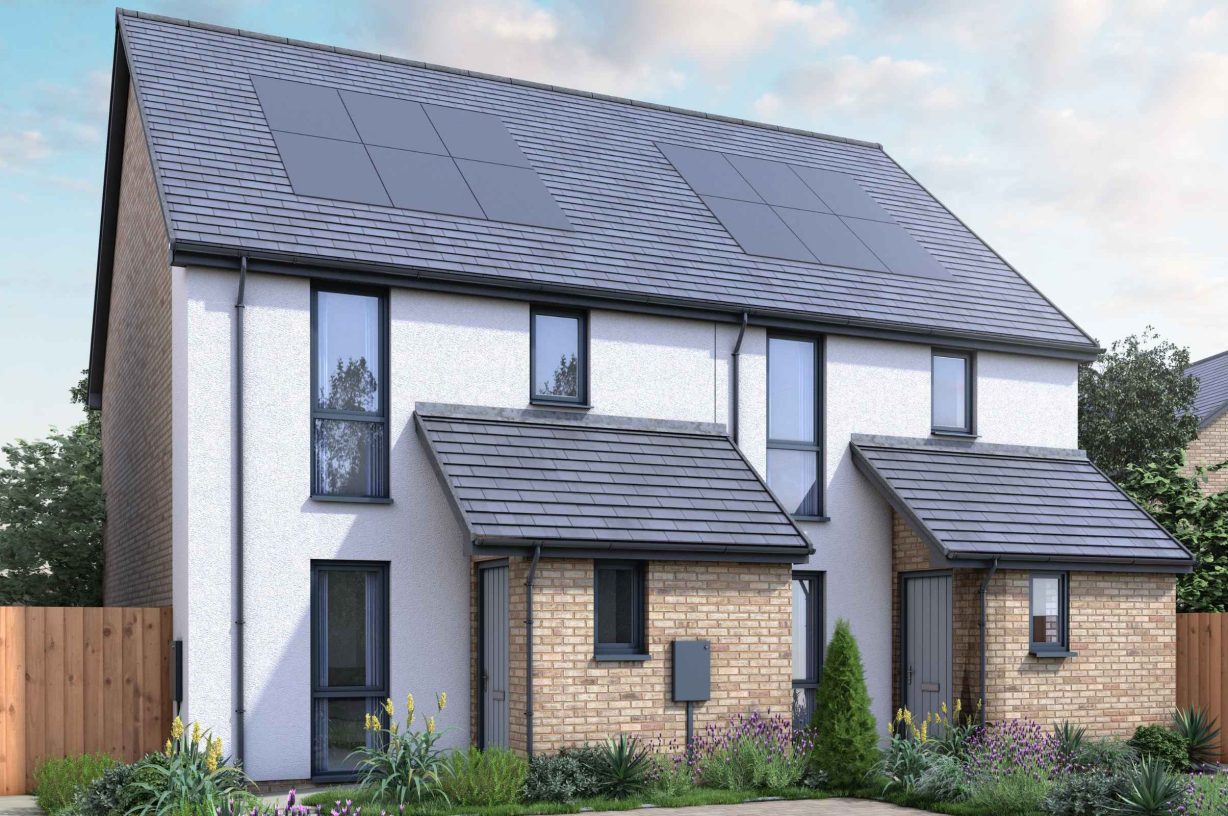
According to recent industry data, 85% of new builds achieve an A or B Energy Performance Certificate (EPC) rating, compared to less than 5% of older properties. This superior performance is the result of advanced construction methods and energy-saving features that come as standard, including enhanced insulation, efficient boilers, solar PV panels, and smart heating controls. These high ratings translate into real savings for homeowners, with lower energy bills and reduced carbon emissions from day one.
- Anticipated Legal Completion Date (ALCD)
This is the date that your home is expected to complete by. It is often a range (e.g., “summer 2026”) or a specific date that is subject to change. This date is not legally binding in the same way as a traditional sale
Key aspects regarding the anticipated legal completion date include:
- Completion on Notice: Rather than a fixed date, buyers usually exchange contracts with a “completion on notice” clause. Once the build is finished, the developer serves notice, legally requiring completion within a set period, typically 10 working days.
- Long Stop Date: This is the crucial, legally binding date (often 6-12 months after the anticipated date) by which the developer must finish building the home, allowing the buyer to withdraw and reclaim their deposit if exceeded.
- Flexibility: The anticipated date is a target based on construction progress and may be pushed back due to delays.
Top Tips for Buying a New Build Home in the UK
✔ Use a solicitor experienced in UK new builds
✔ Ask for a full specification list of what’s included
✔ Clarify service charges and future costs
✔ Check mortgage offer expiry dates
✔ Research the developer’s reviews and customer feedback





View Our Developments